There was a time when the dealership showroom was where most of the vehicle buying experience happened.
Customers walked the lot, looked at vehicles, spoke with a salesperson, learned about features, compared models, and eventually took a test drive.
Today, much of that process happens before we ever meet the customer.
The showroom has moved online.
Consumers research inventory, compare vehicles and dealerships, watch videos, investigate features, explore financing, read reviews, and narrow their choices from a computer or smartphone.
By the time many customers contact a dealership, they’ve already made significant progress toward their buying decision.
That’s why I believe we need to start thinking differently about dealership websites.
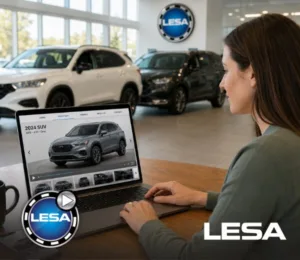
Your website isn’t simply supporting your showroom anymore. Your website is your first showroom.
And that creates an important question:
Are we giving customers the experience they need once they arrive?
The Problem With the Traditional VDP
Dealers invest substantial amounts of money getting consumers to their websites through paid search, SEO, social media, third-party marketplaces, email, OEM programs, and other advertising.
But what happens after the shopper arrives?
Too often, we send them to a Vehicle Detail Page that looks very similar to every other dealership’s VDP.
There are photos.
Specifications.
Equipment lists.
Pricing information.
Payment tools.
And numerous buttons asking the customer to take action.
Those elements remain important, but today’s consumers expect more.
Think about the digital experiences customers encounter everywhere else.
They’re accustomed to video demonstrations, interactive product presentations, personalization, recommendations, immediate information, and the ability to explore products on their terms.
Then they arrive at a dealership website to research what may be the second-largest purchase they’ll make and are sometimes presented with little more than static photographs and text.
That’s the gap I believe our industry needs to close.
A VDP Should Answer Questions, Not Create Them
The objective shouldn’t be to keep a shopper on a page simply to improve a website metric.
The objective should be to help that customer make progress.
Can I see the actual vehicle?
What does the interior really look like?
Does it have the technology I want?
What does that feature actually do?
What’s the condition of this used vehicle?
Is there damage I should know about?
Why is this vehicle worth the asking price?
Is it worth driving to the dealership to see it?
The more effectively your digital experience answers those questions, the more uncertainty you remove from the buying process.
And that’s where video becomes incredibly valuable.
Every Vehicle Deserves More Than Photos
I’ve spent years working with dealerships on video merchandising, and one principle continues to become more important:
Customers don’t simply want to see a vehicle. They want to experience it.
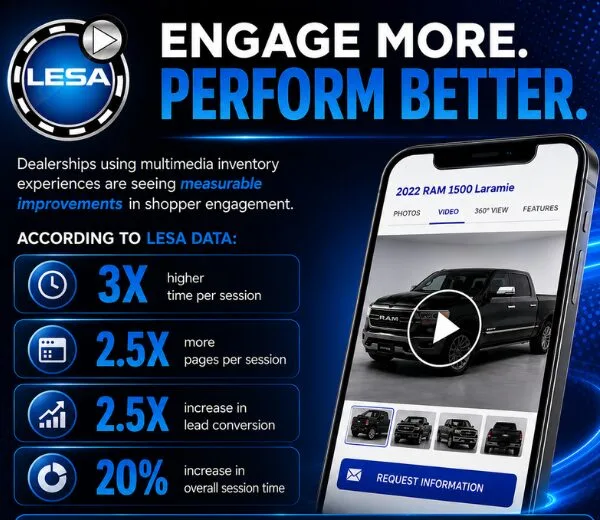
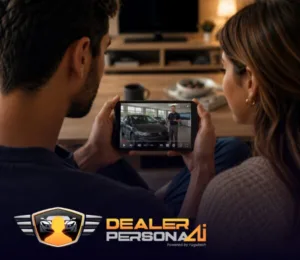
A VIN-specific walkaround video can provide context that static photos can’t.
Instead of looking at isolated images, customers can see how the vehicle presents as a whole. They can explore the interior, exterior, technology, cargo areas, wheels, options, and condition.
Video can also make complicated vehicle technology easier to understand.
Today’s vehicles contain sophisticated driver-assistance systems, infotainment technology, connectivity features, EV and hybrid systems, and convenience features that may appear as nothing more than another line in an equipment list.
Showing those features can be much more powerful than listing them.
That’s one reason we’ve continued expanding LESA beyond traditional inventory video.
Technologies such as LESA Spotlight can help shoppers navigate directly to areas of a vehicle that interest them. Ultra 360 creates a more interactive way to explore the vehicle. Damage Tagging can provide greater transparency around used-vehicle condition.
The technology isn’t the objective.
Creating a better customer experience is.
The Digital Showroom Should Be Interactive
I believe the next generation of dealership websites will become less like inventory catalogs and more like interactive product experiences.
Imagine a shopper arriving on a VDP and being able to explore the actual vehicle through video.
They want to see the wheels? They can go directly there.
Navigation system? Show them.
Cargo area? Show them.
Interior technology? Show them.
Vehicle condition? Let them see it.
That’s fundamentally different from asking someone to click through dozens of photographs hoping they’ll find what matters to them.
The customer controls the experience.
That’s an important distinction because every shopper has different priorities.
The better we become at allowing customers to personalize their online research, the closer the digital experience becomes to what a great salesperson does in the physical showroom.
Personalization Should Continue After the Lead
The Digital Showroom shouldn’t end when someone submits a form.
That’s another area where dealerships have an opportunity.
If someone has spent time researching a specific vehicle and finally raises their hand, the next communication should build upon that experience.
Personalized video can help a salesperson introduce themselves, show the vehicle again, answer a question, confirm availability, or explain something the customer wants to understand.
LESA’s Dealer Video Suite is designed to help dealerships extend video into those customer communications.
The principle is simple.
Use technology to make the experience more human, not less.
That’s particularly important as AI becomes more prevalent throughout automotive retail.
The best technology shouldn’t create distance between the customer and dealership. It should eliminate friction so dealership employees can build stronger relationships.
Transparency Builds Confidence
There’s another benefit to creating richer digital experiences that I think is sometimes overlooked.
Transparency.
A customer shouldn’t arrive at the dealership and discover something about a vehicle that could have been communicated online.
That is particularly important with pre-owned inventory.
If there’s a cosmetic imperfection, show it.
If there’s a feature customers commonly ask about, demonstrate it.
If the vehicle has something that makes it special, explain it.
Transparency doesn’t weaken the sales process.
It strengthens trust.
And trust is one of the most valuable currencies a dealership has.
Stop Thinking About Traffic Alone
One of the most important conversations happening in dealership marketing today is around advertising costs and lead generation.
Dealers are continually being asked to spend more to generate more traffic.
But before buying another thousand website visitors, there’s another question worth asking:
What are we doing with the traffic we already have?
If shoppers reach your website and don’t find an engaging experience, buying more traffic doesn’t solve the underlying problem.
Improving the Digital Showroom can potentially make every other marketing investment more valuable because you’re creating a better destination for the traffic those investments generate.
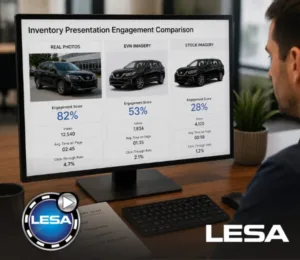
That’s why dealers should look beyond basic traffic numbers and examine behaviors such as VDP engagement, video interaction, lead quality, appointment activity, and ultimately how digital engagement influences vehicle sales.
The Next Automotive Showroom Is Already Open
The transition I’m describing isn’t something that’s coming five years from now.
Customers are already shopping this way.
Our responsibility is to meet them there.
That means looking at the dealership website through the customer’s eyes rather than simply asking whether all the required tools are present.
Is the experience useful?
Is it engaging?
Is it transparent?
Does it answer questions?
Does it build confidence?
Does it make the customer want to take the next step?
Those are the questions that should define the Digital Showroom.
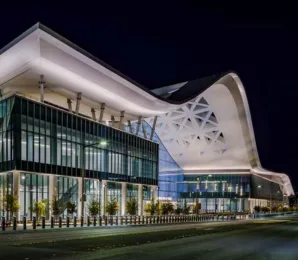
And they’re exactly the questions we’ll be discussing at CXAUTO 2026 during our session:
The Digital Showroom Experience — Why Today’s Car Shoppers Need More Than Photos
I’ll be joining innovative dealership executives for a panel moderated by Peter Martin of Cactus Sky to examine how dealerships are using interactive video, enhanced VDPs, personalized content, and emerging technologies to rethink the online customer journey.
We’ll discuss what’s working, where dealers are still creating unnecessary friction, and practical strategies retailers can implement to create a stronger bridge between the digital and physical showroom.
Because the future isn’t about replacing the dealership experience with technology.
It’s about using technology to make the dealership experience better before the customer ever arrives.
And that’s the opportunity of the Digital Showroom.
Join Us at CXAUTO 2026
If improving customer experience, VDP engagement, digital merchandising, and lead quality are priorities for your dealership, I invite you to join us for “The Digital Showroom Experience — Why Today’s Car Shoppers Need More Than Photos” at CXAUTO 2026.
Come prepared to rethink what your dealership website can do for your customers and your sales team.