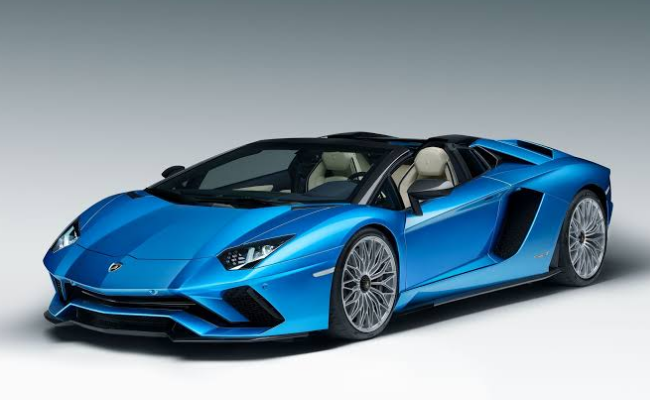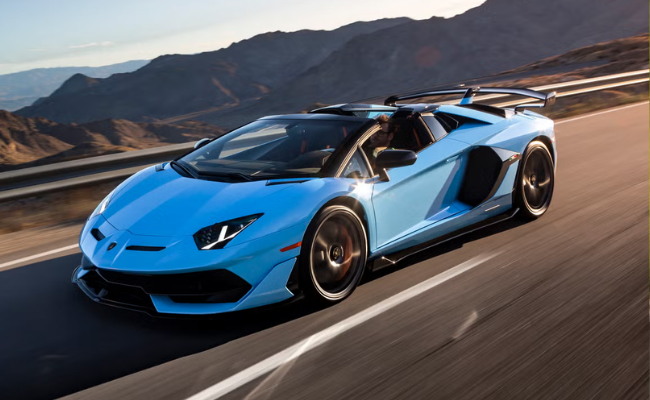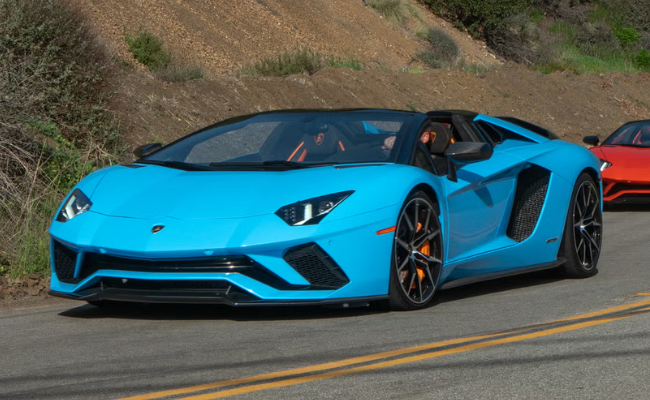


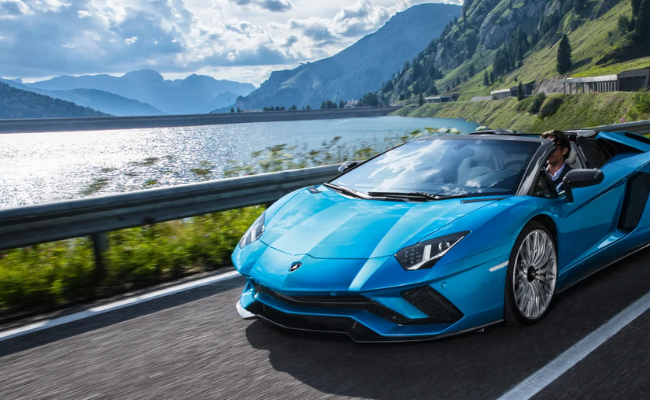
For lifelong automotive enthusiast Peter “Webdoc” Martin, few machines stir the soul like an iconic Italian V12 supercar. More than transportation, it represents art, engineering, sound, and emotion in their purest form. Here’s why this legendary machine continues to define the automotive dream.
If you know me, you know two things: I’ve spent my entire life living and breathing the automotive industry, and I have an unapologetic, deep-seated passion for supercars, especially the iconic V12 masterpieces that defined what it means to dream on four wheels.
To the average person, a vehicle is just a machine designed to get you from point A to point B. But to true car lovers, enthusiasts, and anyone who has ever had a bedroom poster of a wedge-shaped exotic hanging on their wall, a supercar is art in motion. It is engineering pushed to the absolute ragged edge of possibility, wrapped in emotion, sound, and soul.
Today, I want to take a step back and tell the story of one of the greatest automotive legends ever created, and share why, as a lifelong car lover, it holds a permanent place in my heart.
The Birth of a Revolution: Breaking Every Rule
To understand the impact of the V12 supercar, you have to transport yourself back to a time when sports cars were sleek, round, and relatively predictable. Then came a bold Italian marque that decided predictable was boring. They wanted to create something that looked like a space-age prototype escaped from the future.
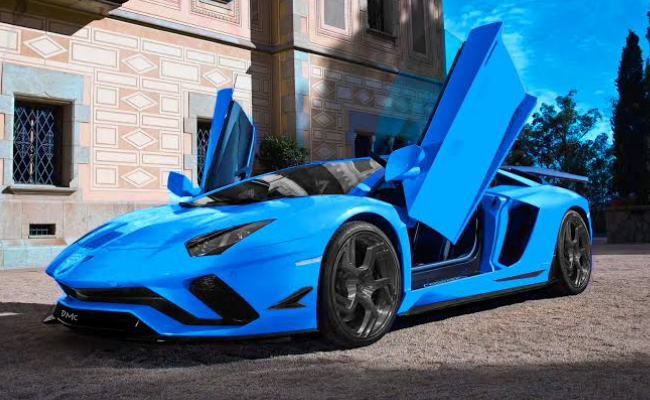
When designers laid down the ruler and drew those uncompromising, aggressive wedge lines, they didn’t just design a new model, they created a new genre. The moment those iconic scissor doors swung skyward for the first time, automotive history was split into two eras: before and after.
What enthusiasts appreciate most about this origin story is that it was born out of pure defiance and mechanical ambition. There were no computer algorithms dictating aerodynamic safe zones, no muted exhaust acoustic requirements, and no compromise on drama. It was built because visionary engineers and bold designers dared to ask, "How far can we take this?"
The Heart of the Beast: The Naturally Aspirated V12
Now, let’s talk about what makes car lovers get goosebumps: the powertrain.
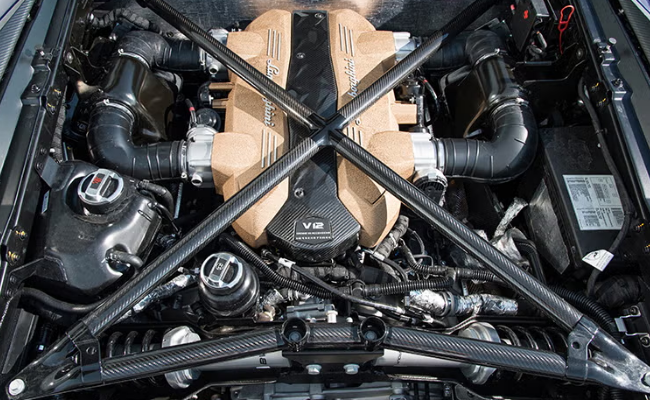
Underneath that sculpted rear deck lies a naturally aspirated 60-degree V12 engine, a mechanical orchestra of twelve pistons firing in harmony.
Unlike modern turbocharged engines that deliver instant low-end torque with a muffled exhaust note, a high-revving atmospheric V12 requires you to work for its power. As the RPM needle sweeps past 4,000, 6,000, and up toward an incredible 8,000+ RPM redline, the exhaust pitch transforms from a deep, mechanical growl into an intoxicating, spine-tingling mechanical scream.
Key Technical Details That Enthusiasts Love:
The Layout: A mid-engine, longitudinal orientation that optimizes weight distribution and keeps the center of gravity low to the tarmac.
The Gating & Transmission: In early generations, the mechanical open-gate manual transmission offered a tactile, metallic "click-clack" with every gear change tactile feedback loop that modern paddle-shifters can never quite duplicate.
Intake & Exhaust Dynamics: Independent throttle bodies per cylinder allowing lightning-fast throttle response that reacts to the slightest movement of your right foot.
When you floor the accelerator in a machine like this, you aren't just accelerating; you are participating in a violent, beautiful combustion event happening inches behind your ears.
Design as Art: Form Following Emotion
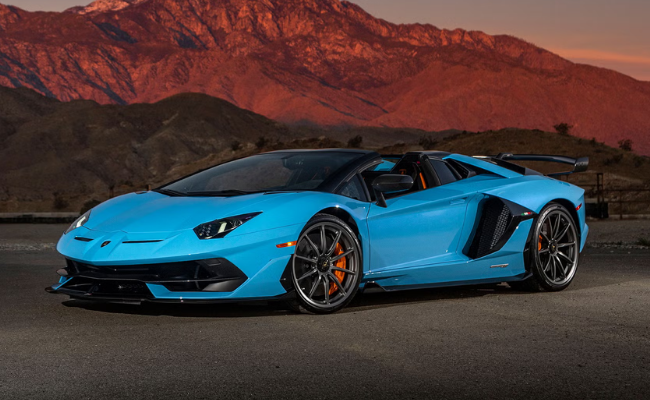
Every line on this machine serves a dual purpose: aerodynamic function and pure visual theatre.
From the sharp, low-slung front nose designed to slice through air, to the wide rear haunches housing massive performance tires, the proportions demand attention. The signature scissor doors weren't just a gimmick, they were a practical necessity to allow drivers to climb out of a ultra-wide, low-profile carbon-fiber or tubular spaceframe chassis in tight spaces.
Car lovers know that true design excellence stands the test of time. Decades after the initial design debuted, its silhouette remains instantly recognizable to anyone from six to sixty years old. It looks fast sitting completely still.
What It’s Like Behind the Wheel: Raw, Unfiltered Driving Drama
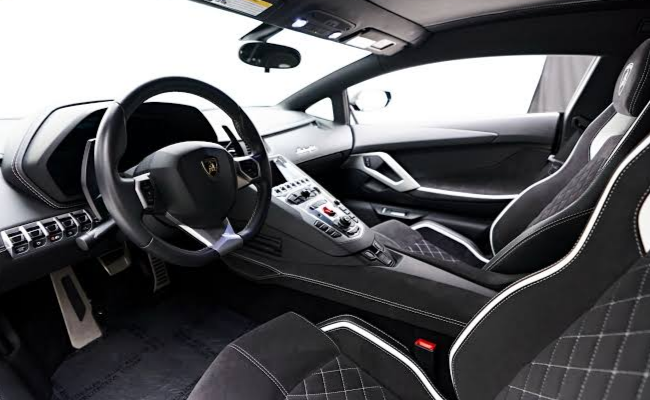
I’ve driven countless vehicles throughout my career in the auto industry, but slipping into the cockpit of an authentic V12 supercar is a sacred ritual.
You sit low, almost hovering over the pavement. The view out the windshield is framed by the front wheel arches, and the side mirrors show those gaping air intakes consuming cooling air for the radiators.
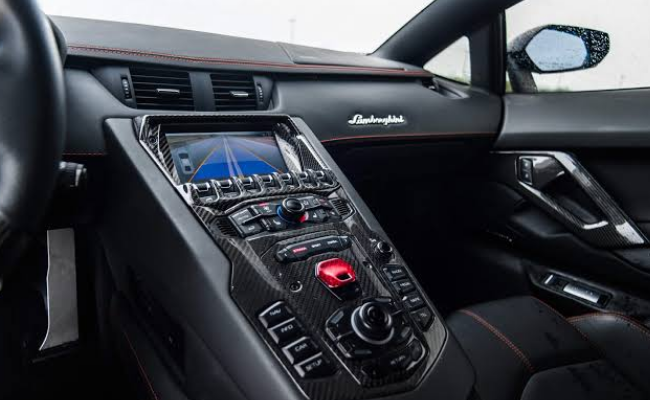
When you turn the key or hit the fighter-jet-style start button, the starter motor whirs briefly before the engine erupts into life. The whole chassis shivers as twelve cylinders catch fire.
On an open stretch of tarmac, driving this car demands your full respect and attention. Steering is heavy and direct, communicating every pebble on the road straight into your hands. The suspension is firm, keeping the body flat through corners. There are no synthetic safety nets telling you how to drive; it is an authentic conversation between driver, mechanical components, and physics.
Why The Legacy Will Live On Forever
As the automotive world rapidly transitions toward electrification and automated driving, machines like this become even more precious. They represent a golden era of automotive passion where human craftsmanship, mechanical purity, and unbridled styling came together without restraint.
For me, being a car lover isn't just about speed stats or quarter-mile times. It’s about how a vehicle makes you feel. It’s about the smell of high-octane fuel and hot engine oil after a spirited drive. It’s about standing in the garage, turning off the lights, and looking back one last time at that legendary silhouette before you close the door.
That is the story of the ultimate V12 supercar, a triumph of human imagination, mechanical genius, and timeless passion. And as long as there are people who love cars, its legend will never fade.