

<p>A worn-out 1978 Pontiac Trans Am became much more than a restoration project. Over seven years, a father and son brought a childhood dream back to life—building memories, learning lessons, and forging a bond more valuable than the car itself.</p>
There are certain cars that become part of your life long before you ever own them.
Most car enthusiasts have one. It’s the car they admired as a teenager, the one they slowed down to look at whenever it drove by, the one that stayed parked in the back of their mind long after they grew up. It doesn’t matter how many cars you own later in life, that one car never completely leaves you.
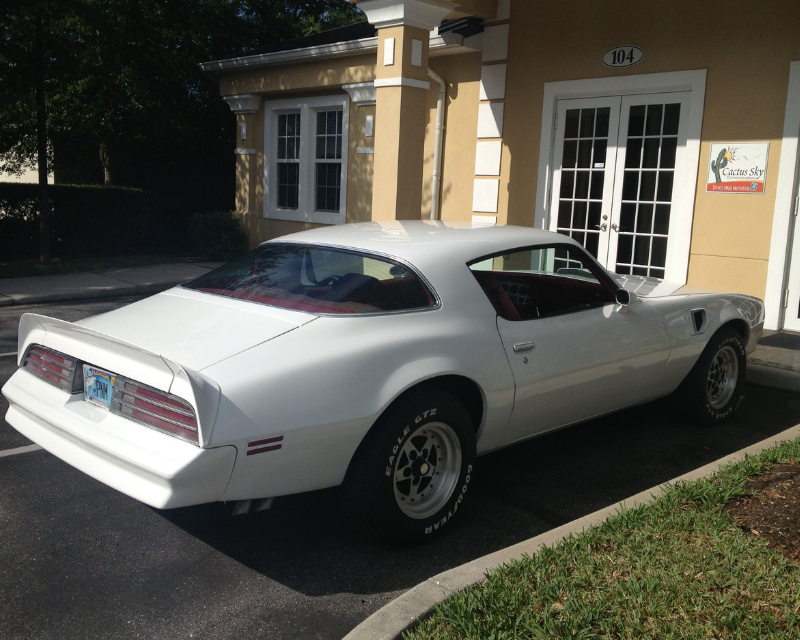
For me, that car was a 1978 Pontiac Trans Am.
Not just any Trans Am, but my best friend Martin’s Trans Am.
Martin had owned the car for years, and every time we got together, the conversation eventually found its way back to that Pontiac. I’d ask him if he was finally ready to sell it. He’d smile, shake his head, and tell me no. Then we’d spend the next hour talking about cars, family, business, and whatever else was happening in our lives.
That conversation became a tradition.
The funny thing is that I don’t think either one of us realized how serious I was.
Like a lot of kids growing up in the late 1970s and early 1980s, I had fallen in love with the Trans Am. Back then, it wasn’t simply a car. It was a symbol. It represented freedom, independence, performance, and attitude all wrapped into one package. Every kid wanted one. Every teenager dreamed about owning one.
The black cars with gold trim were automotive royalty.
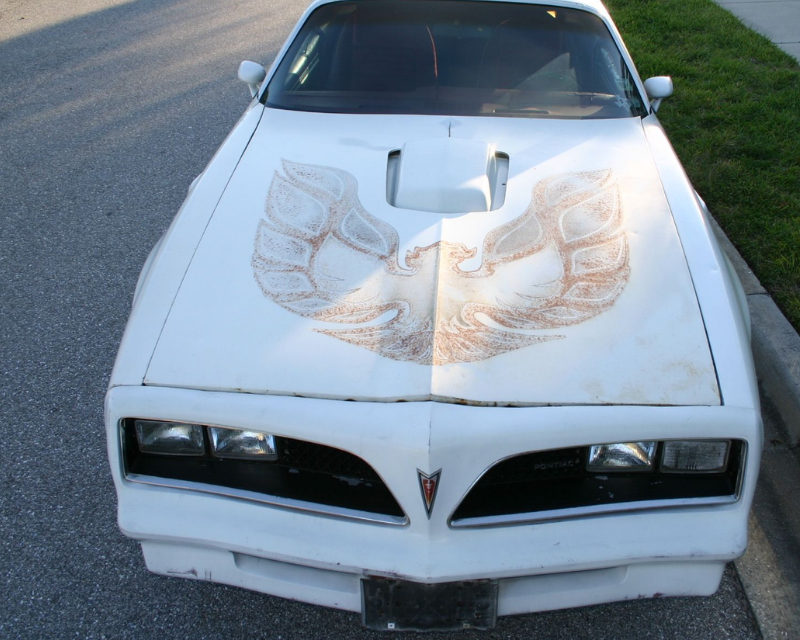
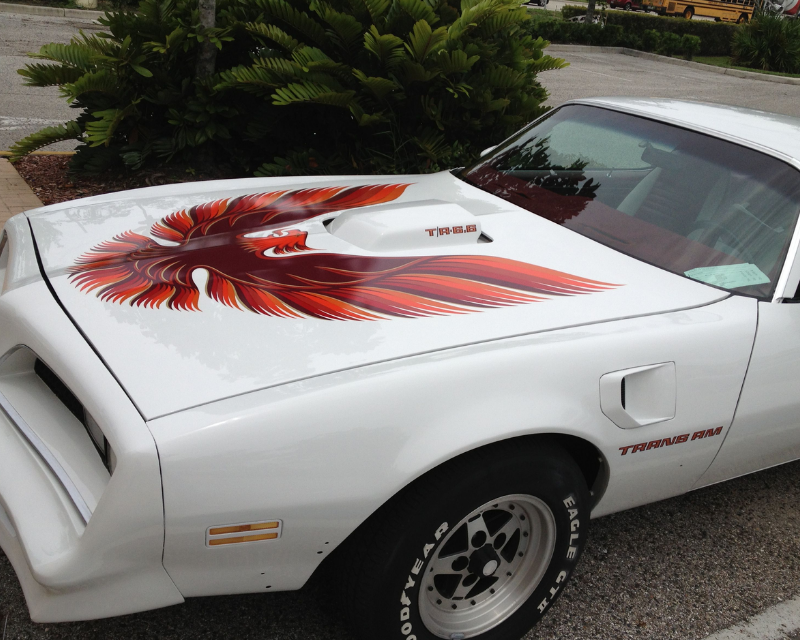
The shaker scoop sticking through the hood looked aggressive even sitting still. The giant screaming eagle stretched across the hood made a statement unlike anything else on the road. The wide stance, the flared fenders, and the unmistakable rumble coming from the exhaust created a presence that few vehicles could match.
The Trans Am wasn’t simply transportation.
It was a personality.
As the years passed, life moved forward. Careers were built, families grew, businesses were started, and priorities changed. Eventually I accepted the fact that Martin would probably own that Trans Am forever.
Then one afternoon my phone rang.
It was Martin.
After catching up for a few minutes, he casually asked a question I never expected to hear.
“Do you still want the Trans Am?”
I didn’t hesitate.
Absolutely.
I had waited years to hear those words.
Then I asked the obvious question.
“What’s the condition of the car?”
There was a pause.
“Well, it’s been sitting for a while, but it still runs.”
That sounded promising.
Then he added four words that would become legendary in our family.
“It’s a little rough.”
Looking back, that may be the greatest understatement ever spoken about an automobile.
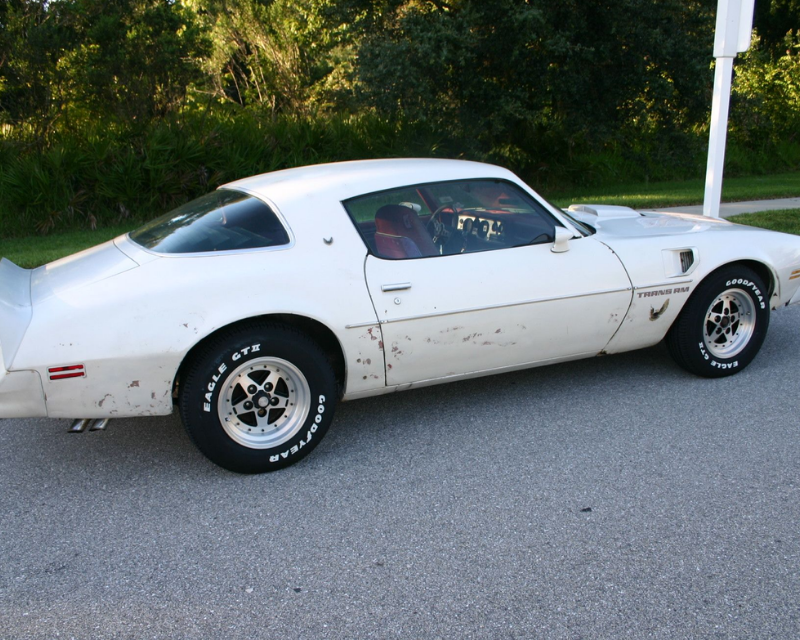
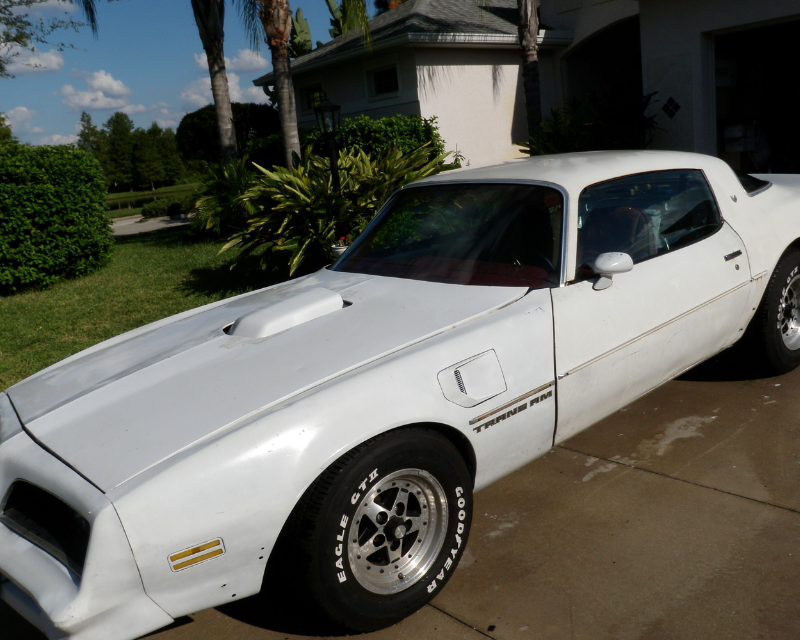
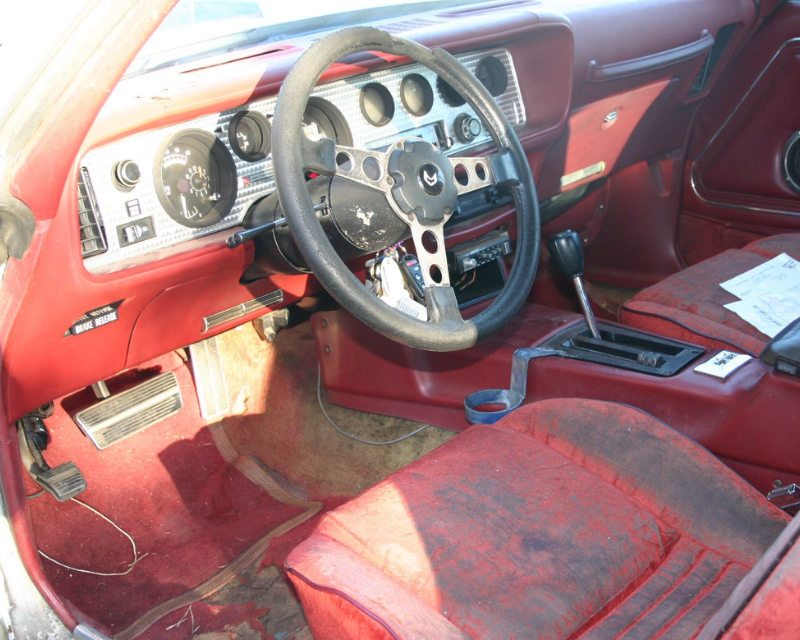
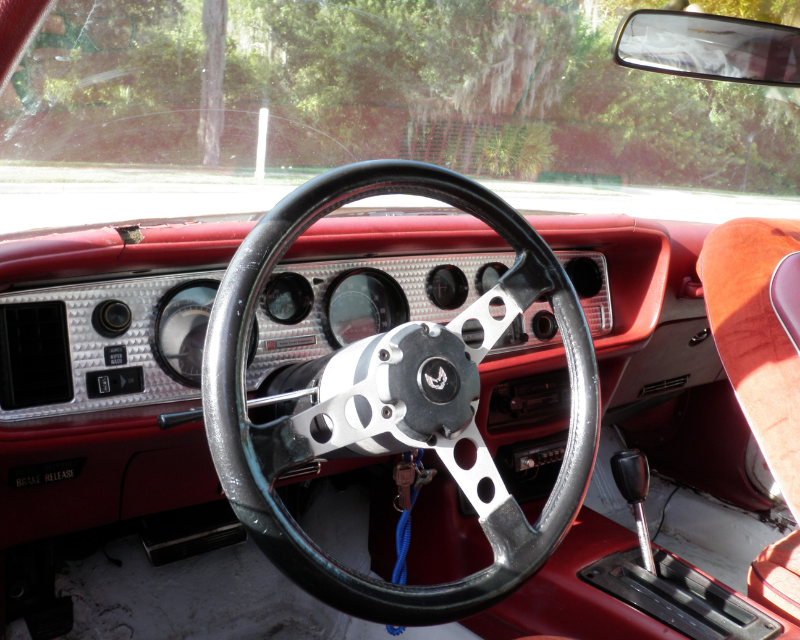
The car had spent years sitting outside in the Dallas heat. Anyone who has lived in Texas understands exactly what that means. The relentless sun had attacked every surface it could reach. The paint had faded. The dashboard was cracked. The interior was destroyed. The weatherstripping had become brittle. Plastic trim pieces had deteriorated. Every rubber component looked tired and worn.
The car wasn’t just rough.
It was exhausted.
Yes, it started.
Yes, it ran.
Beyond that, there wasn’t much working in its favor.
Most people would have looked at the Trans Am and seen an old car that needed more time, effort, and money than it was worth.
I saw something entirely different.
I saw the same car I had admired for years.
More importantly, I saw an opportunity.
At the time, my son Dylan was about six years old. He was already fascinated by cars and loved being involved in whatever project I happened to be working on. Like most young boys, he wanted to help, even when helping sometimes meant slowing things down.
What neither of us realized at the time was that this old Trans Am was about to become one of the most important projects we would ever share.
A few weeks later, Dylan and I drove to a grocery store parking lot where the transport truck was scheduled to unload the car.
I still remember that day vividly.
The anticipation was incredible. I hadn’t seen the car in years and my mind still pictured the Trans Am I remembered from Martin’s ownership, not the reality that was about to roll off the trailer.
As the transport truck pulled into the parking lot, I felt the same excitement I had experienced as a teenager.
The driver lowered the ramps and slowly backed the car down.
Standing there, I could finally see exactly what years of neglect had done.
The paint was tired.
The interior looked terrible.
The car looked worn out from bumper to bumper.
Dylan stood quietly beside me studying it.
He looked at the car.
Then he looked at me.
Then back at the car again.
Finally, with complete sincerity, he asked a question that still makes me laugh today.
“Dad, what did you buy?”
Honestly, it was a fair question.
The car looked nothing like the Trans Am I had spent years talking about. It certainly didn’t resemble the legendary machine that had occupied a special place in my memory.
What Dylan saw was an old worn-out car.
What I saw was possibility.
Looking back now, neither of us was wrong.
The truth was that the Trans Am was both.
It was a worn-out car with tremendous potential.
As we drove home that day, I started talking about everything we could do with it. We talked about paint, wheels, interior restoration, engine work, and all the possibilities that existed.
Dylan listened carefully.
Then he asked a question that changed the direction of the project.
“Dad, can I help?”
That simple question transformed the restoration from my project into our project.
Over the next seven years, the Trans Am became far more than a car restoration.
It became a classroom.
It became a workshop.
It became a place where lessons were taught and memories were created.
At first, Dylan’s contributions were what you would expect from a six-year-old. He handed me tools, helped organize parts, and asked a thousand questions. Every nut, bolt, bracket, and wire generated another question.
What does this do?
Where does that go?
Why are we replacing this?
How does this work?
Sometimes it took twice as long to complete a task because I was explaining what we were doing, but looking back, those conversations became some of my favorite memories.
As the years passed, Dylan became more involved.
He wasn’t just watching anymore.
He was participating.
Together we began taking the Trans Am apart piece by piece.
Every restoration project eventually reaches a point where you have to make a decision. You either do the job halfway or you commit to doing it right.
We chose the second option.
The body was stripped down to bare metal.
Every panel.
Every surface.
Every flaw.
Every surprise.
And there were plenty of surprises.
Years of ownership, repairs, and modifications had left their mark on the car. Every layer we removed revealed another story. Some discoveries were encouraging. Others weren’t.
That’s the reality of restoration.
Every old car carries secrets.
The challenge is deciding how committed you are to uncovering them.
One lesson I learned years earlier from Heinz Werner Bade at Timo Race Corp was that shortcuts eventually reveal themselves. Heinz believed that if something was worth doing, it was worth doing correctly.
That philosophy guided this restoration.
When we found problems, we fixed them.
When something wasn’t right, we corrected it.
When we had the opportunity to cut corners, we didn’t.
The interior became one of the most rewarding parts of the project.
Most people would have outsourced it.
In many ways, that would have been easier.
But we wanted to do the work ourselves.
We wanted to learn.
We wanted the satisfaction that comes from creating something with your own hands.
So we rebuilt it piece by piece.
There were frustrations along the way.
There were mistakes.
There were moments when things didn’t fit correctly and moments when we wondered why we hadn’t simply hired someone else.
But every challenge became another lesson.
Every setback became another memory.
As the years passed, the car slowly began transforming.
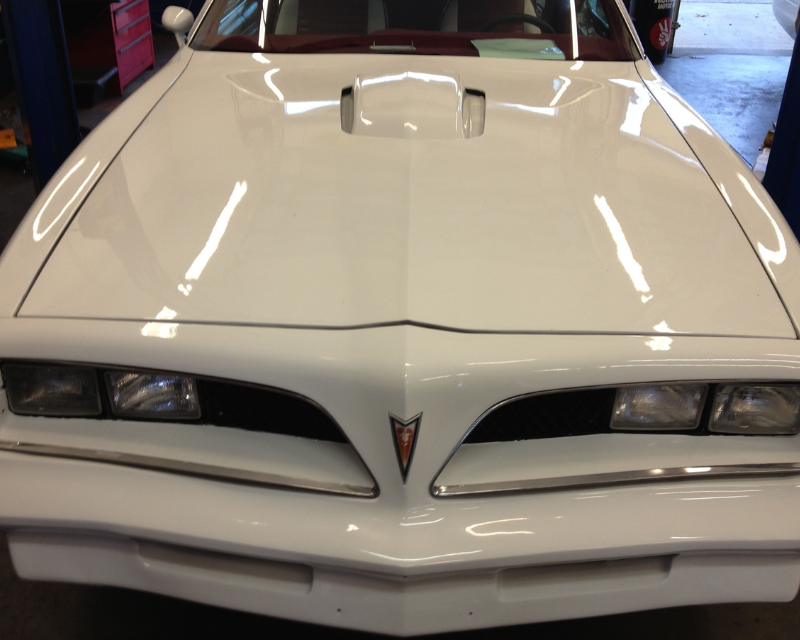
The faded paint was replaced.
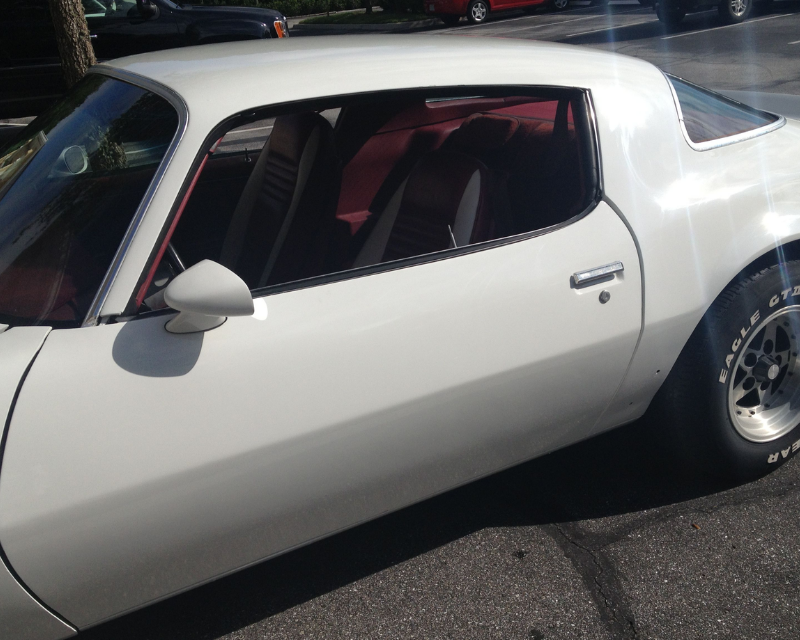
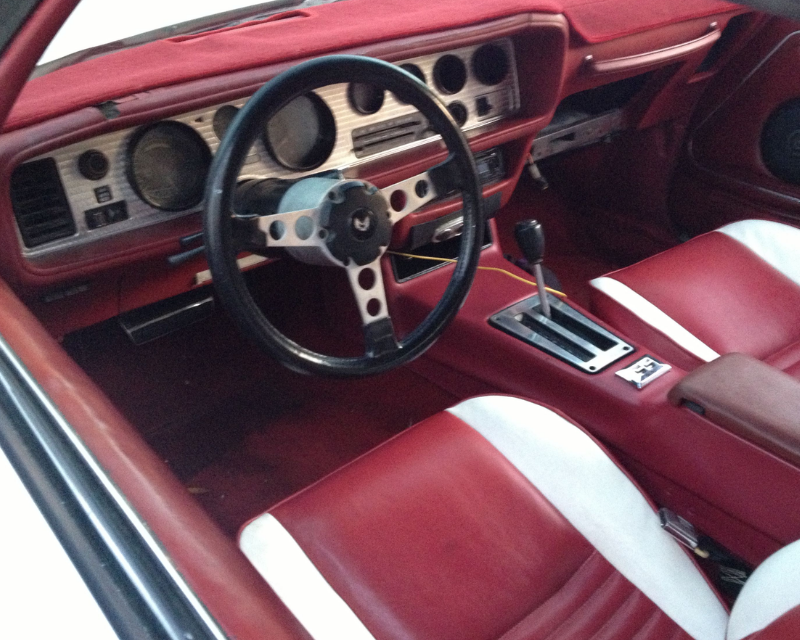
The worn interior came back to life.
The details started falling into place.
The vision we had discussed in that grocery store parking lot was finally becoming reality.
People often hear that the project took seven years and assume it was because the restoration was unusually difficult.
The truth is much simpler.
Life happened.
Work happened.
School happened.
Schedules changed.
Budgets changed.
Responsibilities changed.
We worked on the car when we could.
Some weekends we made tremendous progress.
Other weekends we simply spent time together in the garage talking while turning a few wrenches.
Looking back, I wouldn’t change a thing.
If the project had taken six months, we would have missed seven years of memories.
Eventually the day arrived when the Trans Am was finished.
I still remember standing back and looking at it.
The paint looked incredible.
The interior looked brand new.
The car finally looked like the Trans Am I had imagined all those years earlier.
Actually, it looked better.
Because now it carried a story.
Every piece of that car reminded us of a moment we had shared together.
The first drive was unforgettable.
Not because of the horsepower.
Not because of the performance.
Because of what it represented.
Seven years of work.
Seven years of memories.
Seven years of father-and-son time that neither of us would ever get back.
Today, Dylan still owns that Trans Am.
That may be my favorite part of the entire story.
The car didn’t disappear into a collection.
It wasn’t sold at auction.
It didn’t become someone else’s project.
It remains exactly where it belongs.
Every time I see it, I remember that day in the grocery store parking lot when a six-year-old looked at a worn-out Pontiac and asked, “Dad, what did you buy?”
What we bought was far more than a car.
We bought seven years of shared experiences.
We bought countless conversations.
We bought lessons, memories, victories, frustrations, and accomplishments.
In the end, we didn’t just restore a 1978 Pontiac Trans Am.
We built something much more valuable.
We built a bond that still exists every time that car starts, every time it goes down the road, and every time we tell its story.
And that’s why, out of all the vehicles that have passed through my life, that old Trans Am will always hold a special place in my heart.
What are your memories or thoughts about the 1978 Pontiac Trans Am? I’d love to hear your story.