


If you spend any time at automotive conferences, reading industry publications, or listening to technology vendors, you might come away with the impression that artificial intelligence is about to completely transform automotive retail.
In many ways, that perception is accurate.
Artificial intelligence is already changing how dealerships market vehicles, communicate with customers, manage inventory, generate content, respond to leads, analyze data, and streamline operations. New applications seem to emerge almost daily. What felt futuristic just a few years ago is rapidly becoming part of everyday dealership operations.
The excitement surrounding AI is understandable.
The technology is powerful.
It can process information at incredible speed. It can automate repetitive tasks. It can identify patterns that humans may overlook. It can create efficiencies across nearly every department in the dealership.
Yet amid all the excitement, there is one important reality that deserves attention.
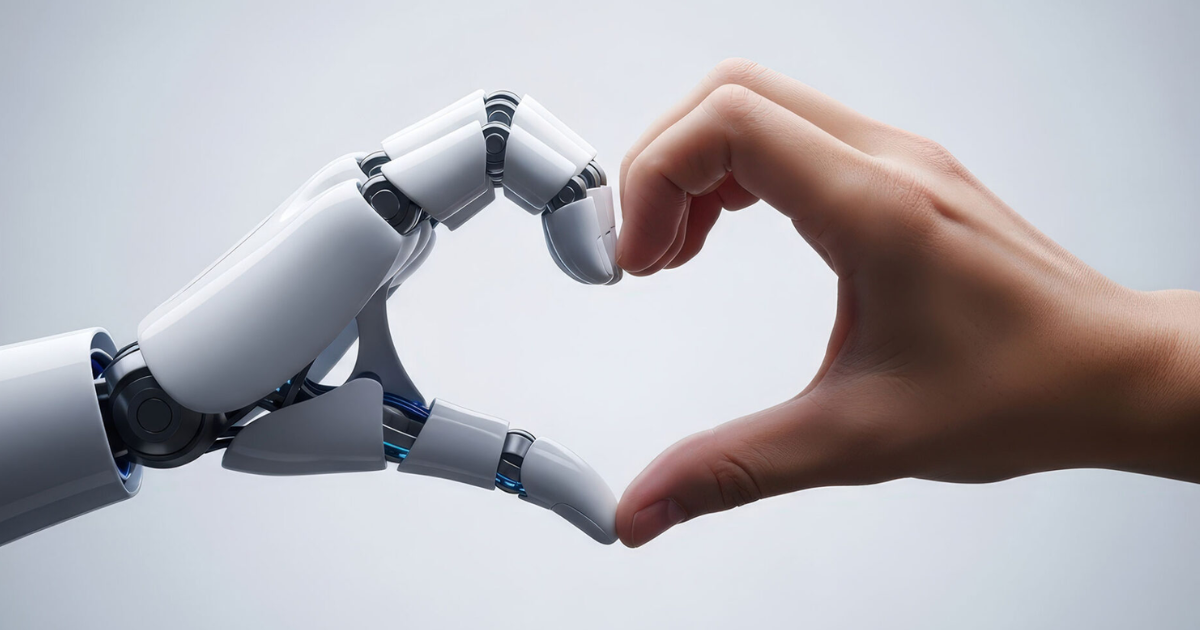
Artificial intelligence will not replace relationships.
In fact, as technology becomes more prevalent, relationships may become even more valuable.
This isn’t a new concept. Throughout history, technological advances have changed how businesses operate, but they rarely eliminate the need for human trust. They simply shift where humans provide the most value.
The automotive industry is no different.
Consumers can now research vehicles online, compare pricing, watch reviews, estimate payments, secure financing, and even complete portions of the transaction digitally. AI is making many of these activities faster and more efficient.
But despite these advancements, customers still have questions.
They still seek reassurance.
They still want guidance when making major financial decisions.
Most importantly, they still want confidence.
Confidence is not generated by technology alone.
Confidence is created through trust.
And trust remains a fundamentally human experience.
One of the most interesting developments in automotive retail is how AI is reshaping customer expectations. Consumers are becoming accustomed to faster responses, personalized recommendations, and on-demand information. They expect businesses to understand their preferences and communicate efficiently.
The dealerships that embrace AI can absolutely improve these areas.
AI can help respond to inquiries more quickly.
It can assist with lead follow-up.
It can personalize marketing communications.
It can analyze customer behavior.
It can automate scheduling and routine service interactions.
It can improve operational efficiency throughout the dealership.
These capabilities create meaningful value.
The mistake occurs when organizations begin viewing efficiency as a substitute for relationships.
Customers do not remember a dealership because an automated process worked properly.
They remember the people who helped them solve problems.
They remember the advisor who explained a complicated repair.
They remember the salesperson who took time to understand their needs.
They remember the service manager who stepped in when an issue arose.
They remember the dealership that made them feel valued.
Those experiences create loyalty.
And loyalty remains one of the most important competitive advantages any dealership can possess.
One of the recurring themes we discuss on the AutoHubShow is that technology should enhance relationships rather than replace them.
The dealerships that are seeing the greatest success with AI are not using it to eliminate human interaction. They are using it to make human interaction more meaningful.
Think about the time spent answering repetitive questions.
Checking appointment availability.
Confirming service status.
Providing basic information.
These are areas where AI can create tremendous efficiencies.
When routine tasks are automated, employees gain more time to focus on conversations that require empathy, expertise, and critical thinking.
In other words, AI allows people to spend more time doing what only people can do.
This distinction is particularly important in sales.
Consumers now arrive at dealerships better informed than ever before. Much of the information once controlled by the dealership is readily available online. AI will continue accelerating that trend.
As a result, the role of the salesperson continues evolving.
The most successful automotive professionals are becoming advisors, educators, and consultants rather than information providers.
They help customers interpret information.
They answer questions.
They provide context.
They simplify complex decisions.
AI can support those conversations.
It cannot replace them.
The same principle applies within fixed operations.
AI-powered communication tools can send updates, schedule appointments, recommend maintenance, and improve workflow efficiency.
But when a customer faces an unexpected repair or a complicated situation, they still want to speak with someone they trust.
Technology can provide information.
People provide reassurance.
That difference matters.
Another area where AI is creating significant opportunities is content creation.
At Cactus Sky Digital, we have spent years helping dealerships, vendors, and automotive professionals communicate more effectively. AI tools are now making it easier to create articles, videos, social content, email campaigns, and educational resources.
This is an exciting development.
But content alone is not enough.
The most effective content still reflects authentic expertise.
Consumers can sense the difference between generic information and genuine insight.
That is one of the reasons personal branding has become increasingly important.
People want to hear from real experts.
They want to learn from individuals with experience.
They want authentic perspectives.
AI can help professionals share their expertise more efficiently.
It cannot manufacture credibility.
Credibility must still be earned.
This is where Dealer Persona becomes particularly relevant.
The future of automotive retail will belong to organizations that successfully combine technology with authentic human connection.
Customers are not looking for less human interaction.
They are looking for better human interaction.
They want fewer repetitive conversations.
They want fewer delays.
They want less friction.
They want technology to handle routine tasks so people can focus on creating value.
That is the real opportunity presented by artificial intelligence.
Not replacement.
Enhancement.
The dealerships that fear AI may fall behind.
The dealerships that blindly automate everything may damage customer relationships.
The dealerships that thrive will find the balance.
They will use AI to improve efficiency.
They will use data to improve personalization.
They will use automation to improve responsiveness.
At the same time, they will continue investing in people.
They will continue developing advisors.
They will continue building trust.
They will continue creating memorable customer experiences.
Because no matter how advanced technology becomes, automotive retail remains a relationship business.
Customers buy vehicles from people they trust.
Customers service vehicles with organizations they trust.
Customers refer friends and family to businesses they trust.
Trust remains the common denominator.
Artificial intelligence will undoubtedly change the automotive industry over the next decade.
The dealerships that embrace it thoughtfully will gain significant advantages.
But the future will not belong to technology alone.
It will belong to organizations that understand how to combine technology, expertise, communication, and relationships into a seamless customer experience.
The goal is not to become more automated.
The goal is to become more human where it matters most.
And that is something artificial intelligence will never replace.