

The 1971 Plymouth ’Cuda captured the muscle car era at full throttle—with bold styling, legendary engine options, and an attitude that still turns heads. Peter “webdoc” Martin explores why this unmistakable American classic remains a legend more than fifty years later.
There are muscle cars, and then there are legends.
Few cars represent the absolute pinnacle of the American muscle car era quite like the 1971 Plymouth 'Cuda. Mention the name to any car enthusiast and you'll immediately see a reaction. Eyes light up. Stories start flowing. Everyone has an opinion, and everyone wishes they had bought one when they were affordable.
The 1971 'Cuda wasn't just another performance car. It arrived at a unique moment in automotive history when horsepower, styling, and attitude were all operating at full throttle. Unfortunately for Plymouth, it also arrived just as insurance rates, emissions regulations, and changing consumer preferences were beginning to close the curtain on the muscle car era.
Today, that perfect storm is exactly what makes the 1971 'Cuda one of the most desirable collector cars in the world.
The Last Great Muscle Car
By 1971, Plymouth engineers knew the game was changing.
Insurance companies were beginning to punish young buyers for owning high-performance vehicles. Government emissions regulations were looming. Manufacturers were starting to lower compression ratios and rethink their performance strategies.
Yet Plymouth decided to give enthusiasts one final masterpiece.
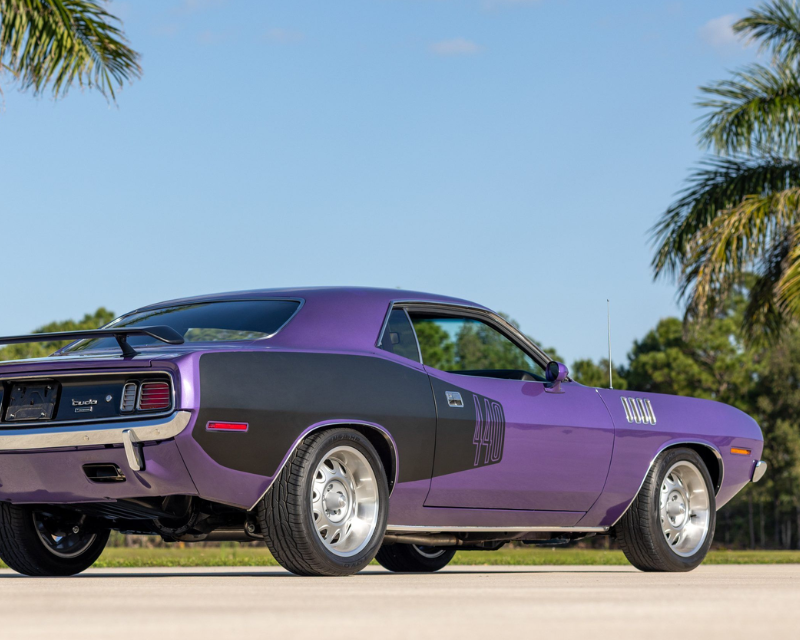
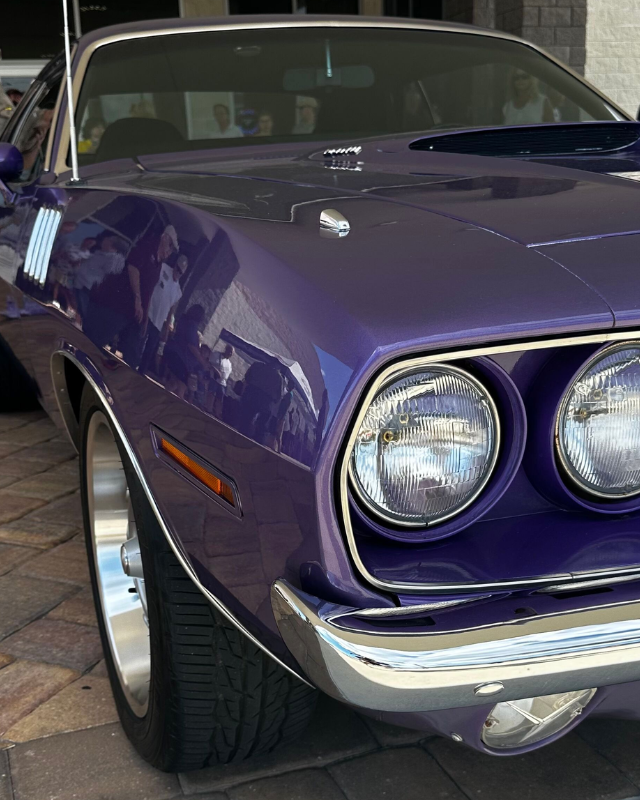
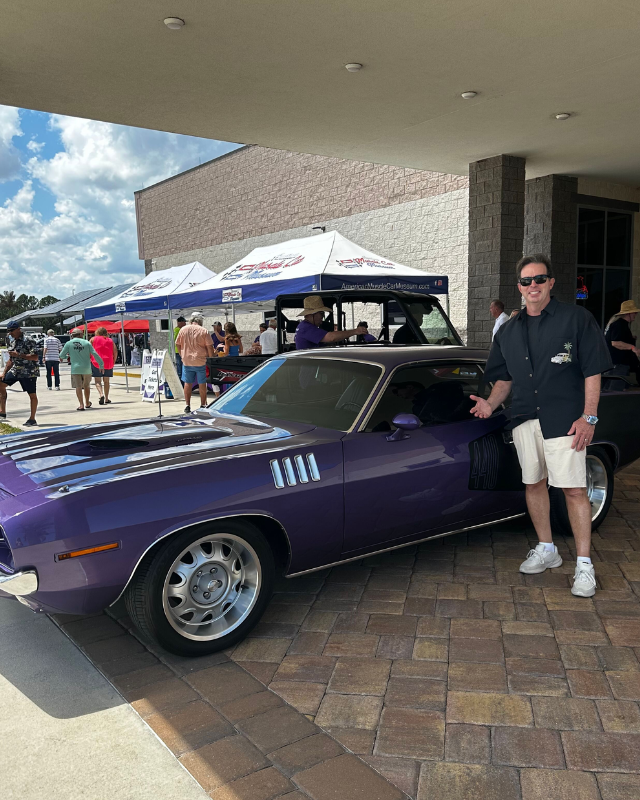
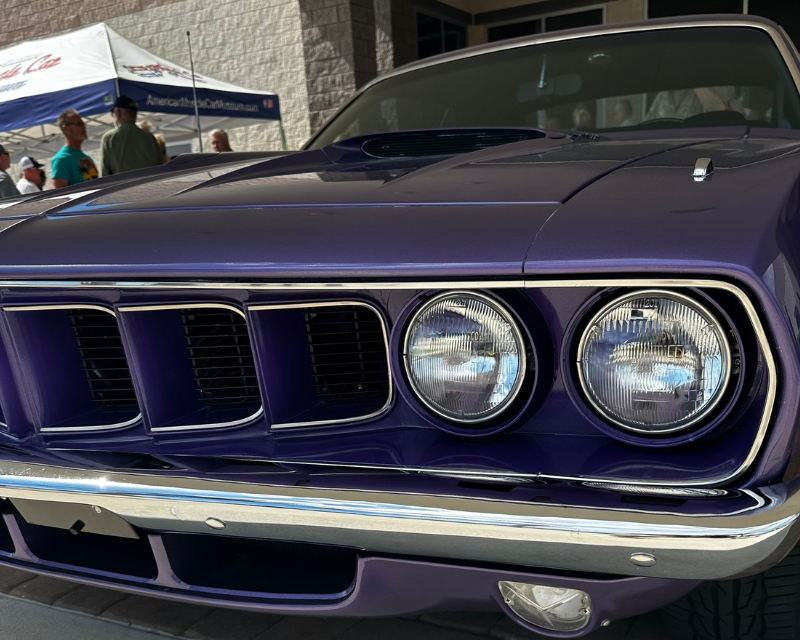
The 1971 'Cuda featured a redesigned front end with four headlights, aggressive grille openings, distinctive fender gills, and bold billboard graphics running across the rear quarter panels. It looked faster standing still than many cars looked at speed.
Everything about the car screamed performance.
And under the hood, Plymouth delivered.
The Engine Choices That Created Legends
Buyers could choose from several performance engines, each with its own personality.
The 340 cubic inch V8 was often considered the driver's choice. Lighter than the big blocks, it delivered excellent balance and handling while still producing impressive acceleration.
The standard 383 four-barrel brought serious torque and muscle.
Then came the monsters.
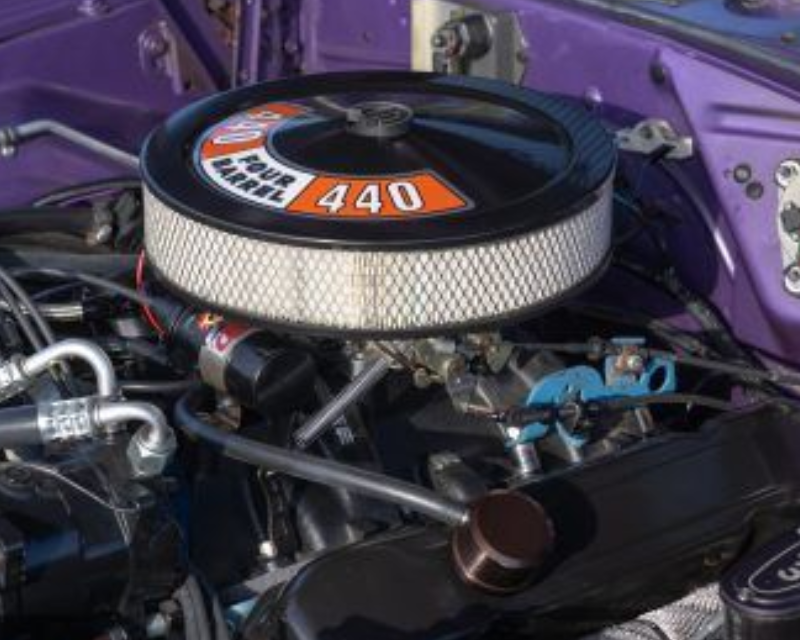
The 440 Six-Barrel was rated at 385 horsepower and delivered enough torque to rearrange your internal organs. The legendary 426 Hemi officially produced 425 horsepower, though many enthusiasts believe the actual number was considerably higher.
These weren't cars designed for fuel economy.
They were designed to dominate stoplights, drag strips, and conversations.
Rare From the Beginning
One of the reasons the 1971 'Cuda has become such an icon is that relatively few were built.
Plymouth sold more than 55,000 Barracudas in 1970. By 1971, sales had collapsed to fewer than 19,000 units as the muscle car market began to shrink.
Only a small percentage of those buyers selected the high-performance 'Cuda models.
Even fewer ordered the 440 Six-Barrel or Hemi-powered versions.
The result is one of the rarest and most sought-after American performance cars ever produced.
Some 1971 Hemi 'Cuda convertibles are so rare that they routinely command prices measured in millions of dollars whenever they cross an auction block.
Think about that for a moment.
A car that originally sold for a few thousand dollars now sells for more than many luxury homes.
More Than Just Horsepower
What makes the 1971 'Cuda special isn't just the performance.
It's the attitude.
This was an era when manufacturers weren't afraid to build cars with outrageous colors like In Violet, Sassy Grass Green, Tor Red, and Lemon Twist Yellow. The names were almost as memorable as the cars themselves.
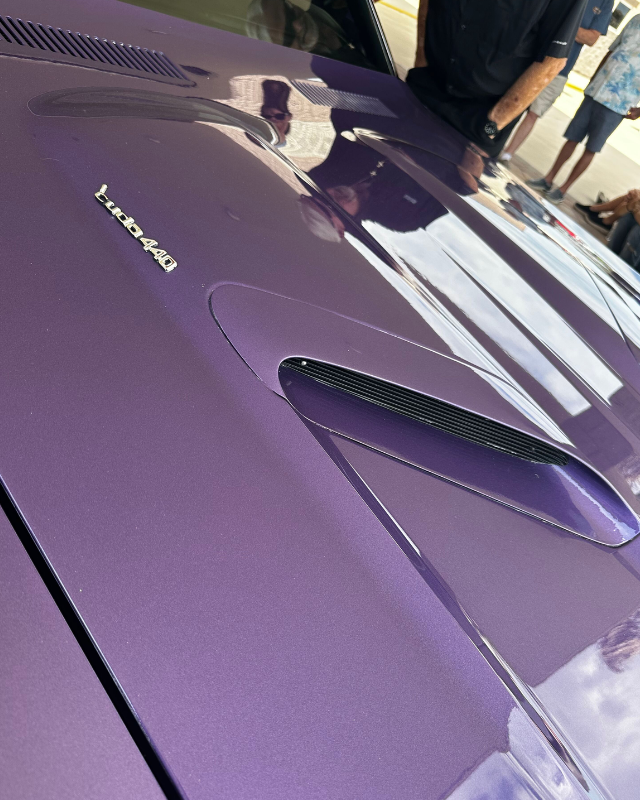
The Shaker hood literally shook with the movement of the engine.
The billboard graphics were impossible to ignore.
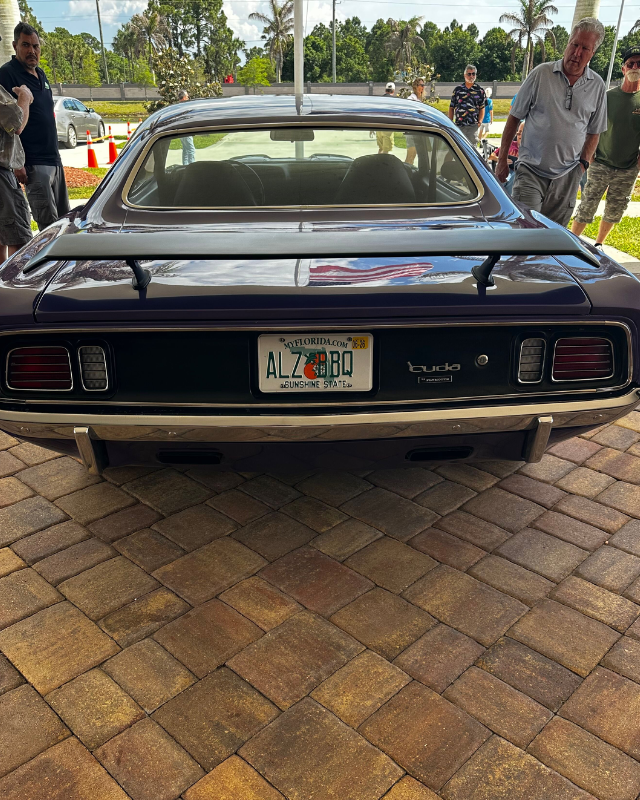
The spoilers, hood pins, and aggressive stance made it clear that this car wasn't designed to blend in.
Modern performance cars may be faster.
They may corner better.
They may have more technology.
But very few possess the personality of a 1971 'Cuda.
Why Collectors Can't Get Enough
Today, collectors obsess over authenticity.
Matching numbers.
Broadcast sheets.
Fender tags.
Original paint codes.
Factory options.
Every detail matters.
A documented, numbers-matching 1971 'Cuda can command dramatically higher prices than a similar vehicle without proper documentation.
That's because collectors understand what they're buying.
They aren't just purchasing a car.
They're purchasing a piece of American automotive history.
They're preserving one of the final chapters of the golden age of muscle cars.
Behind the Wheel
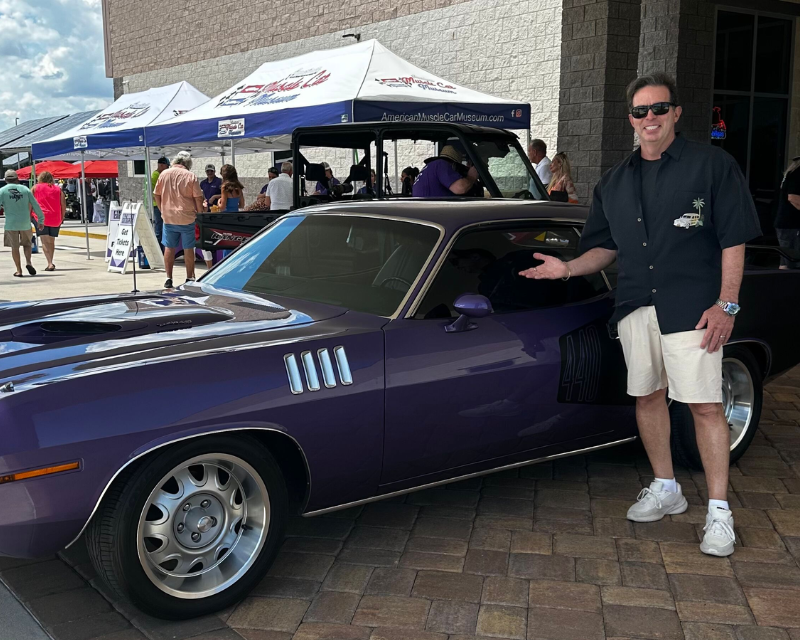
Whenever I see a 1971 'Cuda at a show, auction, or private collection, I always find myself stopping longer than planned.
Maybe it's the styling.
Maybe it's the history.
Maybe it's the knowledge that this represents the peak of an era that can never be recreated.
The 1971 'Cuda reminds us of a time when Detroit wasn't afraid to take risks.
When horsepower sold cars.
When bold colors ruled the showroom floor.
When performance wasn't filtered through computers and driver aids.
It was raw.
It was loud.
It was unapologetic.
And that's exactly why, more than fifty years later, the 1971 Plymouth 'Cuda remains one of the most respected and desirable muscle cars ever built.
Some cars become classics.
A select few become legends.
The 1971 'Cuda became both.