The Fake Ferrari That Fooled America
How Miami Vice Took on Ferrari and Won
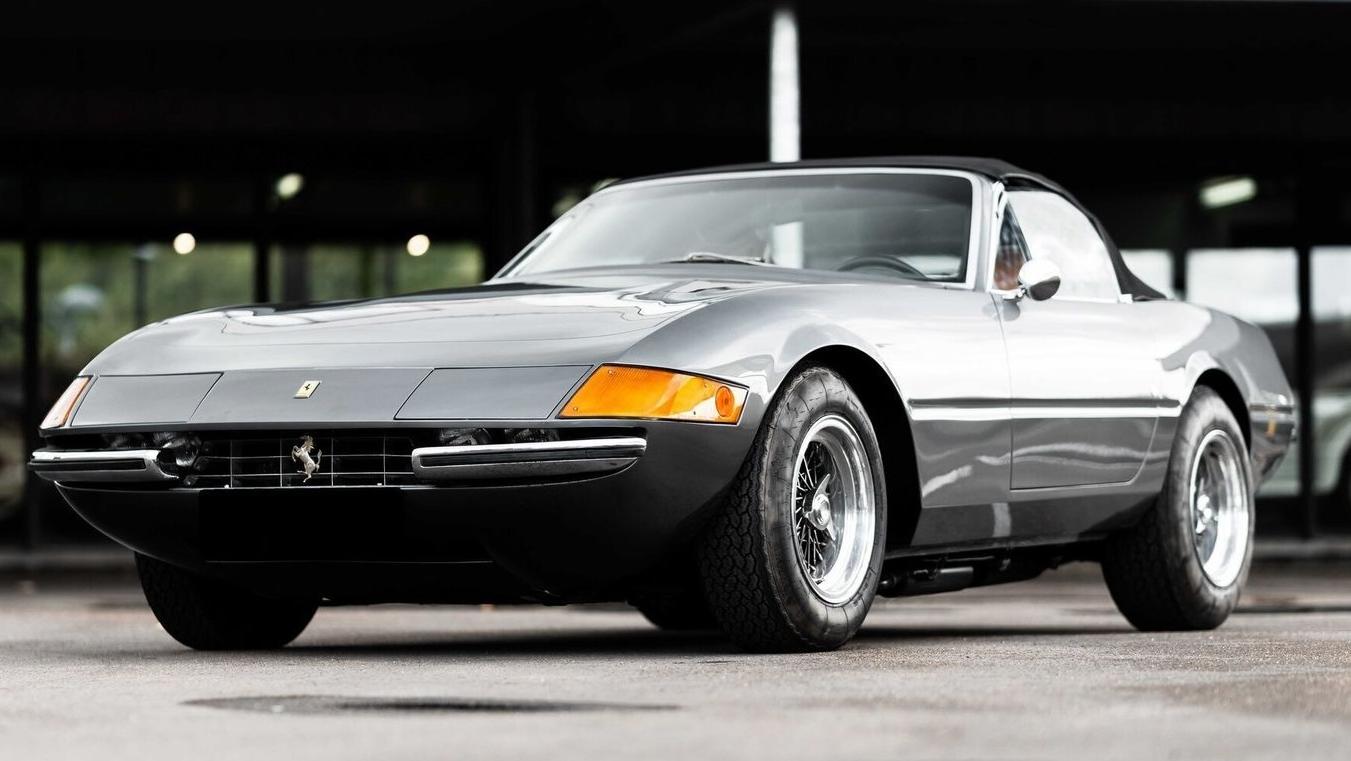
If you grew up in the 1980s, chances are you remember seeing Sonny Crockett cruising through Miami in a sleek black Ferrari Daytona Spyder. It was fast. It was exotic. It was everything that defined the excess and excitement of the decade.
There was just one problem.
It wasn’t a Ferrari.
In one of the most fascinating stories in television and automotive history, the iconic Ferrari Daytona featured in the early seasons of Miami Vice was actually a heavily modified Chevrolet Corvette. Even more interesting, Ferrari wasn’t amused when they discovered millions of viewers believed it was the real thing.
The story that followed involved lawsuits, Hollywood creativity, automotive craftsmanship, and one of the most famous vehicle swaps in television history.
The Birth of a Television Icon
When Miami Vice premiered in 1984, producers wanted a car that matched the show’s stylish, glamorous image. The Ferrari Daytona Spyder was the perfect choice.
The problem was that Ferrari only built approximately 121 genuine Daytona Spyders between 1969 and 1973. Even in the mid-1980s they were rare, expensive, and nearly impossible to obtain for television production.
The production team needed another solution.
That’s when they turned to McBurnie Coachcraft of California.
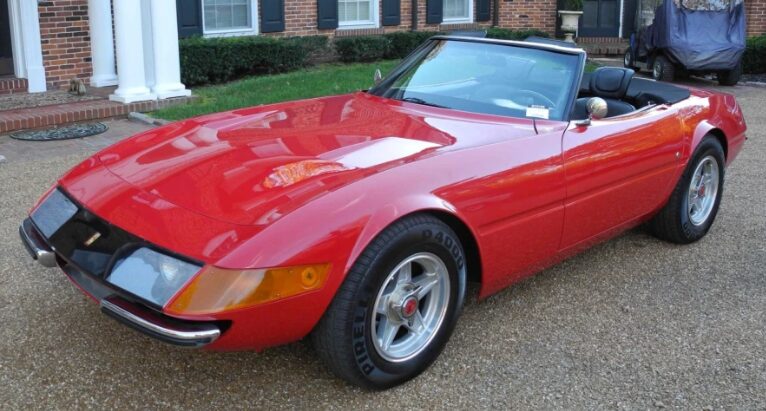
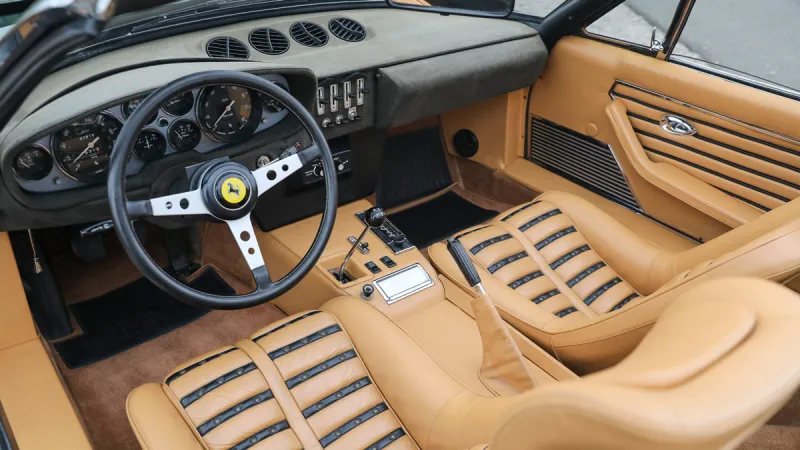
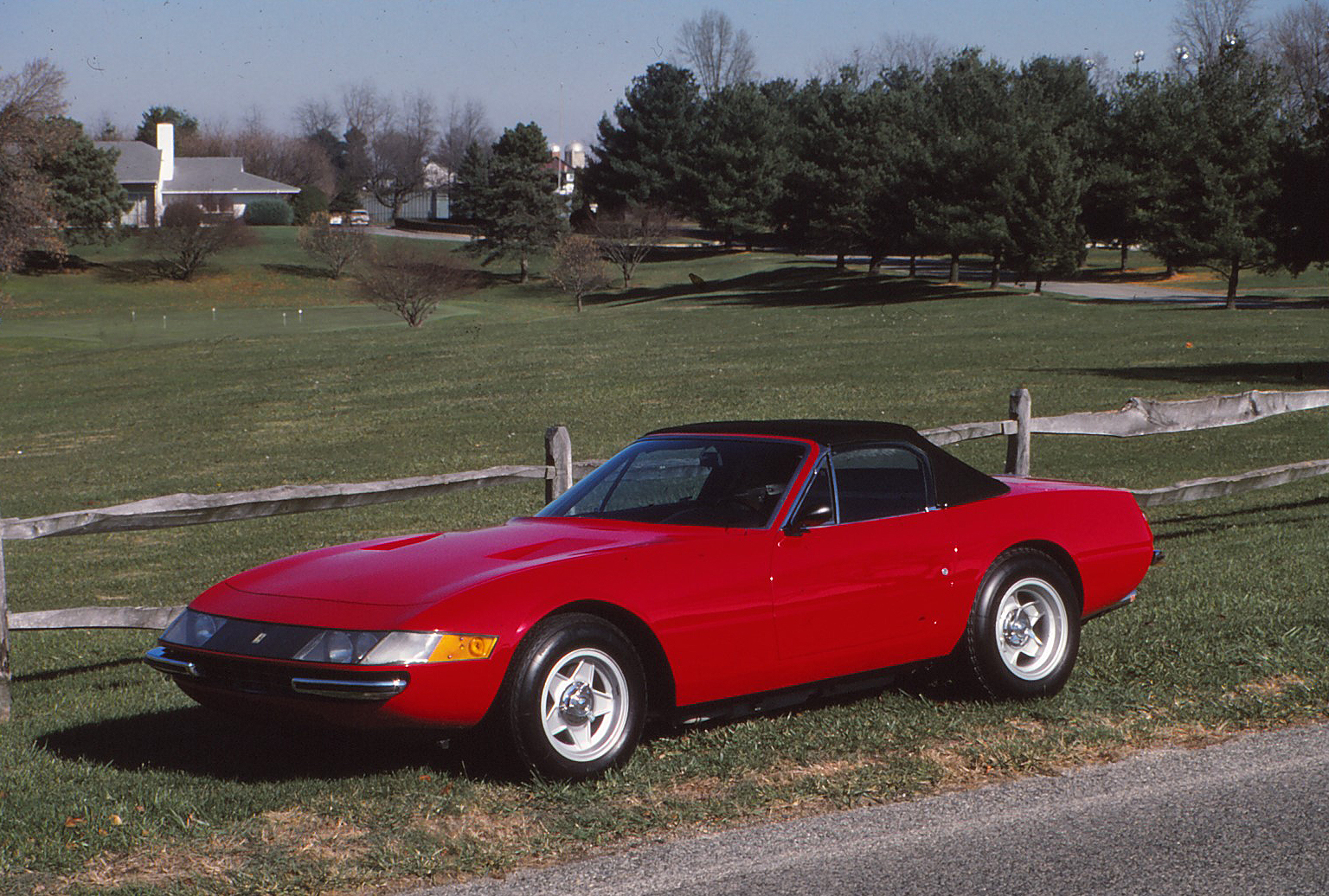
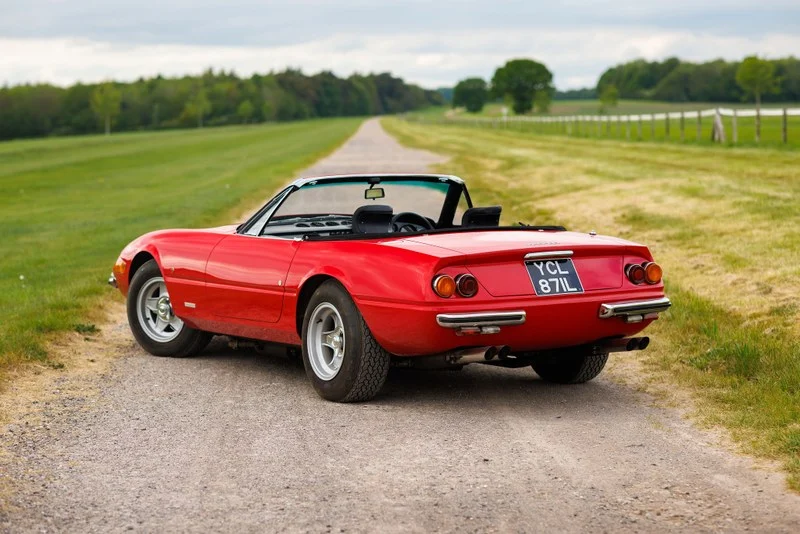
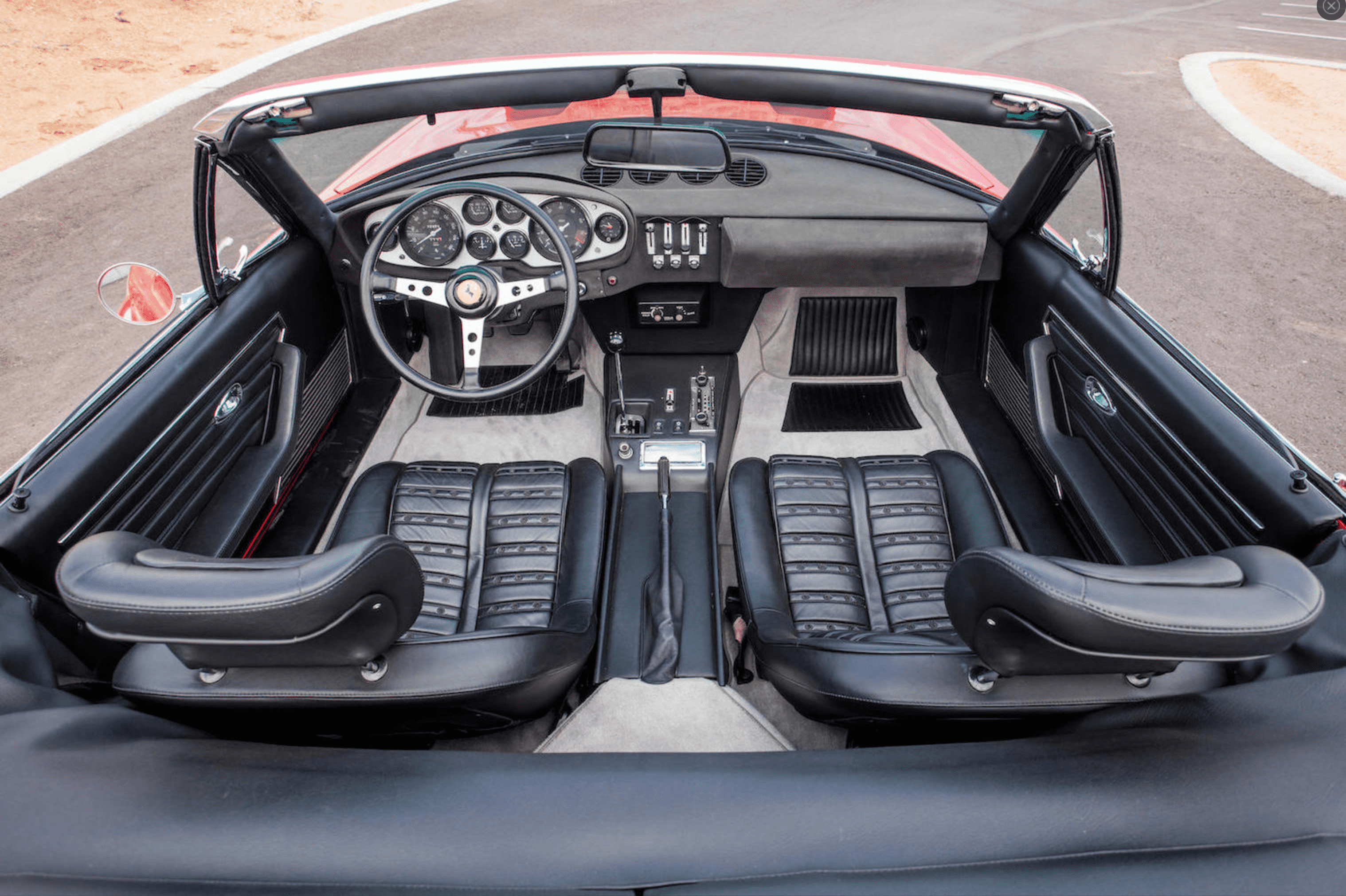
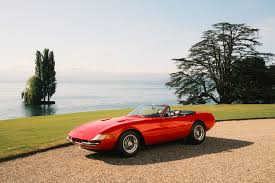
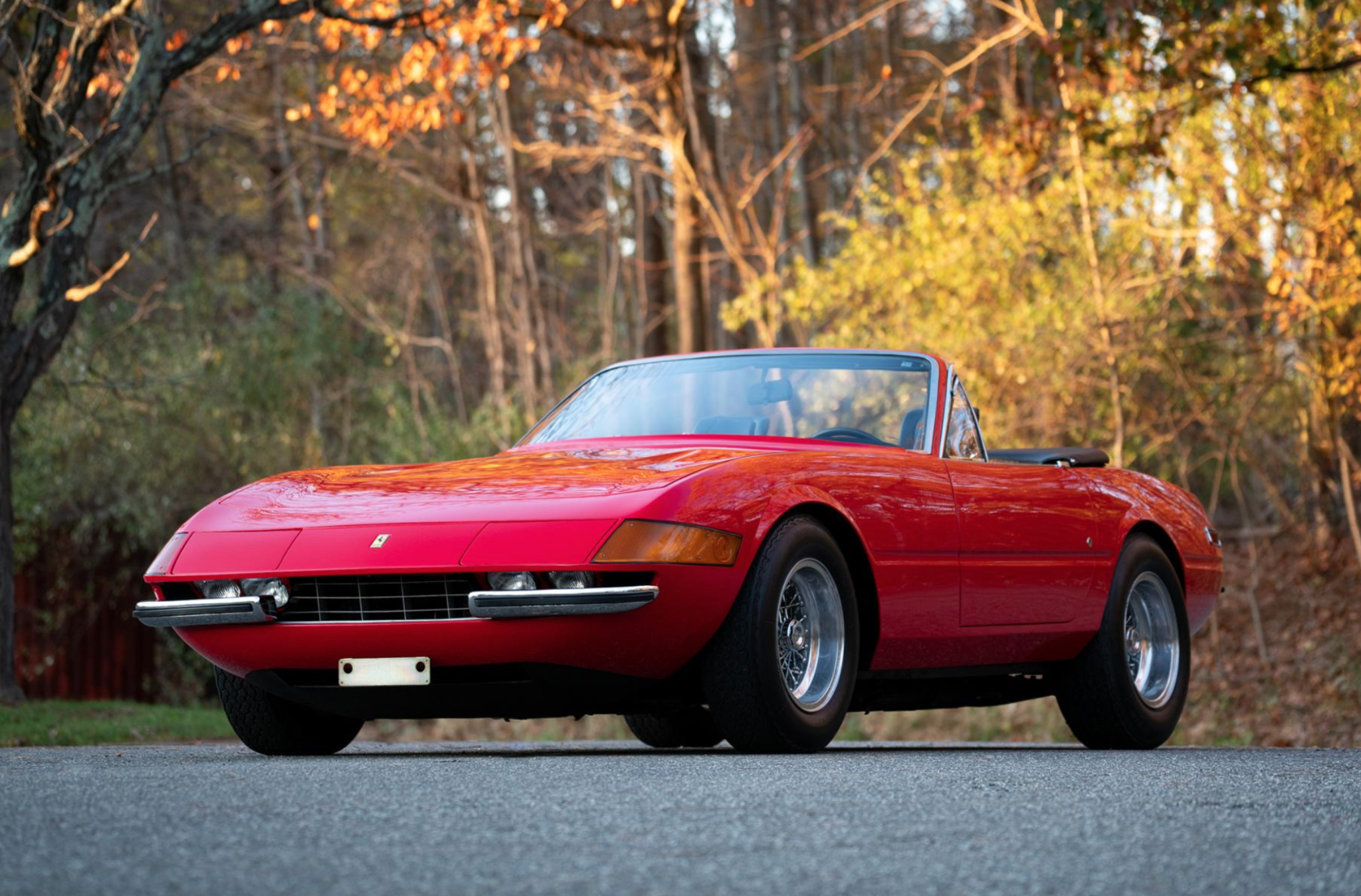
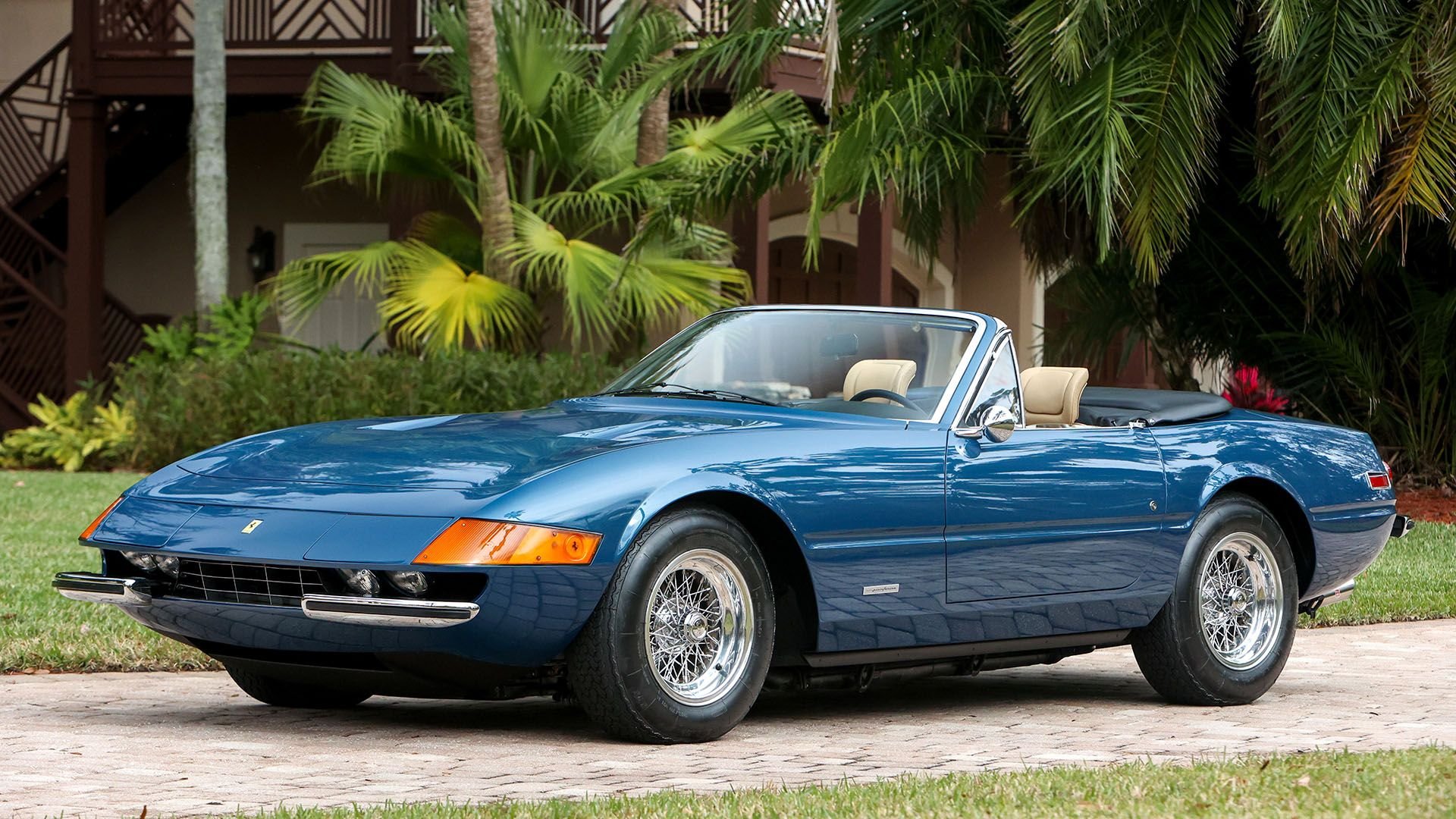
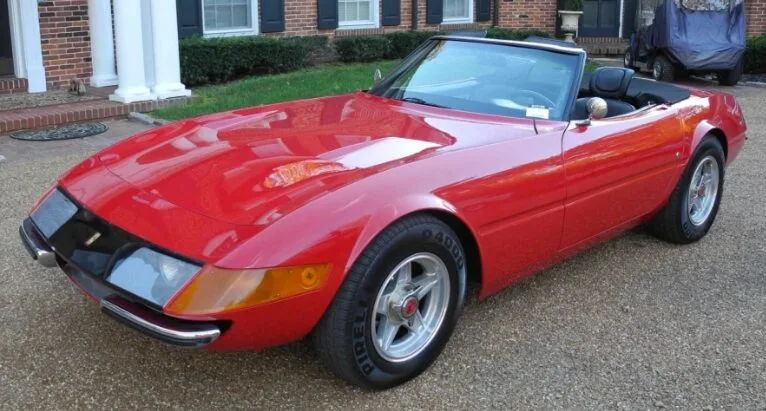
McBurnie specialized in creating replica exotic cars using readily available American platforms. Their Ferrari Daytona Spyder replica was built on a Chevrolet Corvette chassis, complete with Corvette powertrain, suspension, and drivetrain components.
To television viewers, the illusion was nearly perfect.
The long hood, sweeping fenders, wire wheels, and aggressive stance captured the essence of the Ferrari Daytona. On camera, few viewers could tell the difference.
The producers purchased two black McBurnie-built replicas and put them into service.
Television history was made.
America Fell in Love
For the first two seasons of Miami Vice, Don Johnson’s character Sonny Crockett drove the black Daytona Spyder through some of the most memorable scenes in television.
The car became almost as famous as the actors.
Fans plastered posters on their walls. Model manufacturers produced replicas. Automotive enthusiasts dreamed of owning one.
Ironically, many viewers had never actually seen a real Ferrari Daytona. Their understanding of the car came entirely from what appeared on television.
In effect, the replica became more famous than the original.
That success would eventually attract Ferrari’s attention.
Ferrari Notices
Ferrari has always been fiercely protective of its brand.
The company invests enormous resources in maintaining exclusivity, authenticity, and prestige. To Ferrari executives in Maranello, millions of viewers believing a Corvette-based replica was a genuine Ferrari represented a serious problem.
The replica wasn’t authorized.
It wasn’t built by Ferrari.
And yet it was becoming one of the most recognizable “Ferraris” in the world.
As Miami Vice continued to grow in popularity, Ferrari reportedly began applying pressure to Universal Studios regarding the use of the replica vehicles.
Accounts differ on the exact legal details. Some sources describe formal legal threats. Others indicate Ferrari’s attorneys aggressively communicated trademark and trade dress concerns to Universal.
Regardless of the precise legal mechanism, the message was clear.
Ferrari wanted the replicas gone.
An Offer Universal Couldn’t Refuse
Rather than continue the dispute, Ferrari made a surprising move.
The company offered Universal Studios two genuine Ferrari Testarossas for use on the show.
From Ferrari’s perspective, the solution was brilliant.
Instead of viewers associating Ferrari with a replica built from a Corvette, audiences would now see an authentic Ferrari product.
Universal accepted.
The production team now faced a challenge.
How do you explain the disappearance of one of television’s most famous cars?
Their solution became one of the most memorable scenes in Miami Vice history.
The Daytona’s Explosive Exit
In the Season Two premiere episode titled “Out Where the Buses Don’t Run,” Crockett’s beloved black Daytona is ambushed.|
A missile launches toward the car.
Seconds later, the Daytona explodes in spectacular fashion.
The scene was dramatic, shocking, and unforgettable.
For viewers, it was simply another exciting action sequence.
Behind the scenes, it served a much larger purpose.
The explosion permanently retired the replica Daytona from the series and cleared the way for Ferrari’s replacement.
Soon afterward, Crockett received a white Ferrari Testarossa.
Television history entered its next chapter.
The Testarossa Era
The Testarossa quickly became synonymous with Miami Vice.
Its wide stance, side strakes, and futuristic styling perfectly matched the show’s visual aesthetic.
Interestingly, Ferrari originally supplied black Testarossas. Producers soon realized black cars disappeared too easily during nighttime filming.
The solution?
They painted them white.
Many Ferrari purists cringed.
Television audiences loved it.
The white Testarossa became one of the most recognizable cars of the 1980s and helped cement Ferrari’s status as the ultimate symbol of success and performance.
What Happened to the Daytona Replicas?
Unlike many television props that disappear into storage warehouses, the Miami Vice Daytona replicas survived.
The stunt car destroyed during filming was sacrificed for the famous explosion scene.
However, the hero cars used for close-up shots and driving sequences remained intact.
Over the years, they passed through several private owners and collectors.
Today, surviving Miami Vice Daytona replicas are highly sought after by television memorabilia collectors and automotive enthusiasts.
In an ironic twist, these fake Ferraris have become valuable collectibles in their own right.
Some collectors are willing to pay substantial sums not because they’re Ferraris, but because they’re Miami Vice Ferraris.
Their television history has become more important than their automotive pedigree.
The Marketing Lesson Hidden in the Story
As a marketer, I find this story fascinating because it demonstrates the incredible power of perception and branding.
Ferrari wasn’t upset because a replica existed.
Ferrari was upset because the replica was becoming more famous than the real product.
Think about that for a moment.
Millions of viewers were emotionally connecting with a vehicle that Ferrari didn’t build, didn’t authorize, and didn’t profit from.
The replica successfully borrowed Ferrari’s identity and captured public imagination.
That’s the power of branding.
People don’t buy products because of specifications alone. They buy stories, emotions, and experiences.
The McBurnie replica looked enough like a Ferrari that audiences supplied the rest of the narrative themselves.
Ferrari understood that allowing someone else to control that narrative posed a long-term threat to one of the world’s most valuable automotive brands.
A Legacy That Lives On
More than four decades later, the debate continues.
Was the Daytona replica a fake?
Technically, yes.
Was it one of the most iconic television cars ever created?
Absolutely.
In fact, many younger enthusiasts first learn about the real Ferrari Daytona because they discover the Miami Vice replica.
The fake car helped preserve interest in the genuine article.
Not many replicas can claim that achievement.
Today, both the Daytona replica and the white Testarossa occupy a special place in automotive and television history.
One represented Hollywood ingenuity.
The other represented Ferrari’s determination to protect its brand.
Together, they created one of the most fascinating chapters in automotive pop culture, proving that sometimes the story behind the car becomes even more valuable than the car itself.

Like what you’re reading?
If you’d like to explore how content writing, blogging and articles can boost your online presence or want more information, schedule a quick call with Peter “webdoc” Martin.
Share or Print