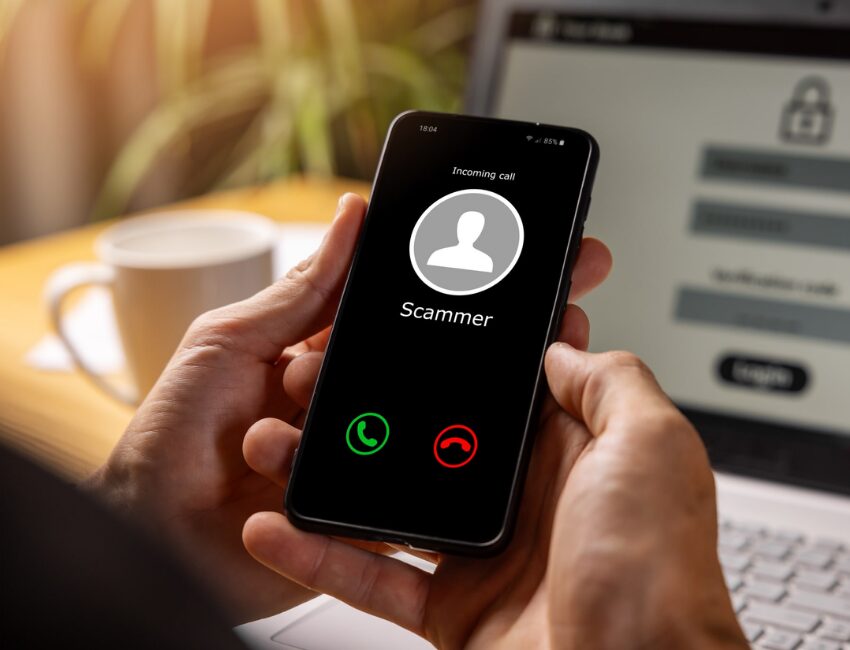
If you feel like your phone no longer belongs to you, you’re not alone.
Robocalls, spam calls, prerecorded messages, fake warranty alerts, debt collection calls for people you’ve never heard of, they’ve become part of daily life. And it’s frustrating. It’s invasive. And in many cases, it’s illegal.
The good news is this: you are not powerless.
There are federal laws in place to protect you. There are practical tools available right now. And in some cases, you may even have the right to recover damages when companies violate the law.
Let’s walk through what you need to know and what you can actually do.
The Law That Protects You: The Telephone Consumer Protection Act (TCPA)
The primary federal law governing robocalls is the Telephone Consumer Protection Act, commonly called the TCPA.
Here’s what matters to you:
- Companies cannot use automated dialing systems or prerecorded voices to call your cell phone without your prior express consent.
- Telemarketing calls require even stricter consent standards.
- If your phone number was reassigned and you’re getting robocalls meant for someone else, that can still violate the law.
- If you tell a company to stop calling and they continue, those additional calls may be separate violations.
Under the TCPA, consumers can seek:
- $500 per illegal call
- Up to $1,500 per call if the violation was willful or knowing
That is federal law. Not theory. Not a loophole. Not internet folklore.
Now here’s the reality: many robocalls come from overseas scammers hiding behind spoofed numbers. Going after them is often difficult. But when the caller is a real, identifiable company, you have legal leverage.
Wrong-Number Robocalls Are Often Illegal
If you recently got a new phone number and immediately started receiving calls for someone else, that’s not just bad luck.
Many companies fail to update their records when numbers are reassigned. If they use automated dialers or prerecorded messages to call your cell phone without your consent, that may violate the TCPA even if they intended to reach someone else.
Consent must come from the current subscriber. If you didn’t give it, that matters.
Step One: Register on the National Do Not Call Registry
Every consumer should do this.
The National Do Not Call Registry is managed by the Federal Trade Commission and it’s free.
How to Add Your Number
You have two options:
- Visit:
https://www.donotcall.gov - Call from the phone number you want to register:
1-888-382-1222
Registration does not expire.
After your number has been registered for 31 days, most telemarketing calls become illegal unless you previously gave consent.
Important: The Do Not Call list does not stop scammers who ignore the law. But it strengthens your legal position against legitimate businesses that fail to comply.
If You Say “Stop,” They Must Stop
If you answer a call and clearly state:
- “Stop calling this number.”
- “This is the wrong number.”
- “Remove me from your list.”
You are revoking consent.
Companies are required to honor that request within a reasonable time. Continued calls after you’ve told them to stop may become stronger violations under federal law.
If this happens, document everything.
Why Pressing “Unsubscribe” Can Make It Worse
Many people notice something frustrating. They press a button to “opt out” and suddenly the calls increase.
Here’s what’s happening.
Legitimate companies are required to provide working opt-out mechanisms. But illegal robocall systems often treat any key press as confirmation that your number is active and reaches a real person.
From the system’s perspective, you just verified your number.
If a call appears suspicious or clearly fraudulent, do not press buttons. Hang up.
A Practical Plan to Reduce Robocalls
Here’s what I recommend.
- Register on the Do Not Call List
Do it today if you haven’t already.
- Activate Carrier-Level Spam Blocking
Most major carriers offer free spam filtering and call blocking tools. Log into your account and turn them on.
- Do Not Engage With Suspicious Calls
No button pressing. No confirming information. No calling back unknown numbers.
- Document Repeat Violations
If the caller appears to be a legitimate business:
- Save voicemails.
- Screenshot call logs.
- Write down dates and times.
- Keep records of when you told them to stop.
Documentation gives you leverage.
- File Complaints
You can report unwanted calls to:
Federal Communications Commission
https://consumercomplaints.fcc.gov
Federal Trade Commission
https://reportfraud.ftc.gov
These complaints help regulators track patterns and pursue enforcement.
Join a Class Action Lawsuit
Visit https://cactusskyonline.com/5ffkhtzf to learn more about Legal Options
What About Sending Demand Letters?
Several years ago, a television consumer reporter aired a segment explaining how consumers could use TCPA violations to demand settlements before filing lawsuits. That report helped popularize the idea that individuals can enforce their own rights under the law.
Here’s the balanced view:
- The TCPA does allow private enforcement.
- A demand letter can be a legitimate pre-litigation step.
- It works best when the caller is a real, identifiable company.
- It does not work well against anonymous overseas scammers.
If you are receiving repeated illegal robocalls from a known company, it may be worth consulting with a consumer protection attorney to evaluate your options.
The Bottom Line
Robocalls are disruptive. They waste your time. They invade your privacy.
But you are not powerless.
You can:
- Register on the National Do Not Call Registry.
- Revoke consent and demand removal.
- Use carrier-level blocking tools.
- File complaints with federal agencies.
- Document violations if a legitimate company continues to call.
The key is knowing your rights and using them strategically.
The law exists to protect you. Now you know how to activate it.